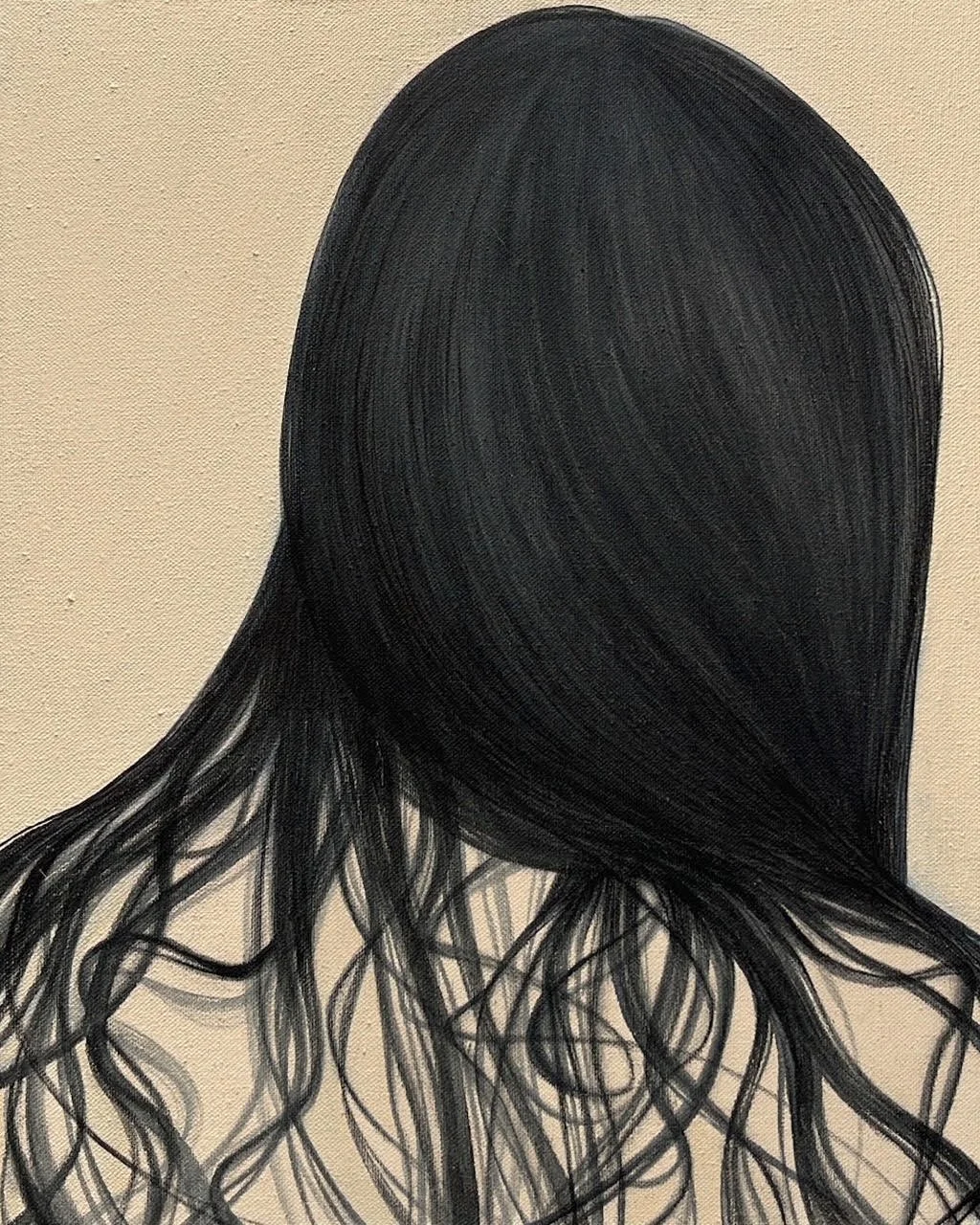
Sümeyra Yüce
F R A G M E N T S
28.09.26
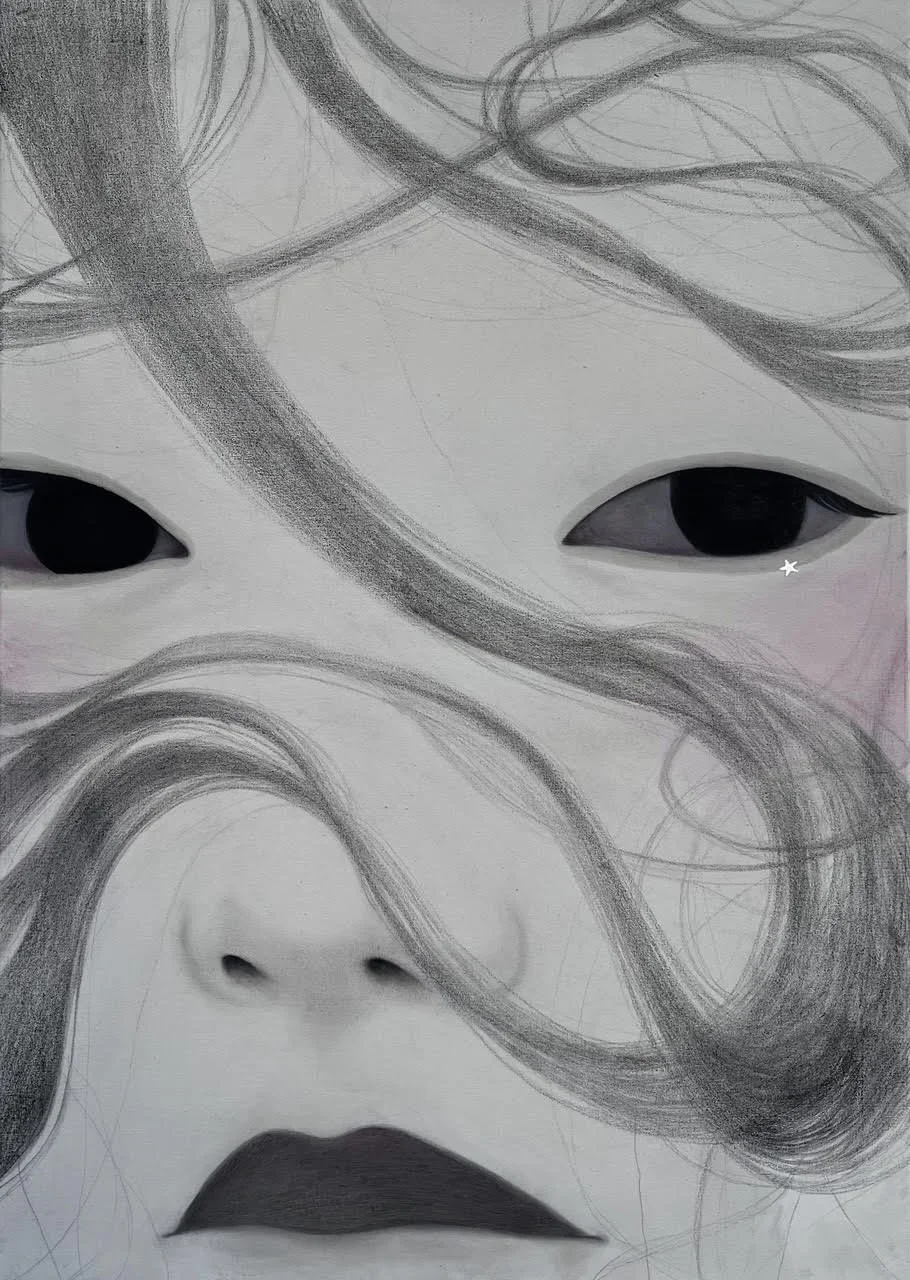
Sümeyra Yüce is a Turkish painter with an MFA in Painting and Digital Media. In her portraits, pale, half-hidden figures stare directly at the viewer yet remain unreadable. According to Sümeyra, her practice draws on Sufi thought, Jung and neuroaesthetics. Her work was recently shown in 'STILL WET' at Galerie Met in Berlin.
For our readers encountering your work for the first time, please take us through your background.
I was born in Turkey in 1996. I started studying painting at a very young age, after my teachers encouraged my family to support me in pursuing an education in art. Between high school, university, and graduate school, I spent around fourteen years studying fine arts.
During my master’s degree, I took a break from physical production and became interested in emerging forms of digital art. But my interest was never simply about the technical possibilities of new technology. I was more curious about how these new tools could change art itself, the position of the artist, and the relationship between art and the other elements around it.
During this period, I began exploring NFT communities, technologies, and new forms of artistic production, both as an artist and as a researcher. This research eventually became my master’s thesis, NFT as a Tool in Art.
After around five years, I returned to physical painting. Alongside symbolism, iconography, and the history of religions, which have always been important to my practice, I became more deeply interested in Sufism, spiritual and metaphysical thought, psychology, and philosophy. I also began looking at these subjects through neuroaesthetics and human perception, which became a very intense and transformative period of research for me. Over time, this research began to directly influence my art and the images I create.
I also took a break from digital production, and at the moment I am focused entirely on physical work. But I do not see my years of working with digital art and technology as separate from the physical work I make today. They are different stages of the same practice, and each has shaped the way I think.
SY
Where do you draw inspiration from?
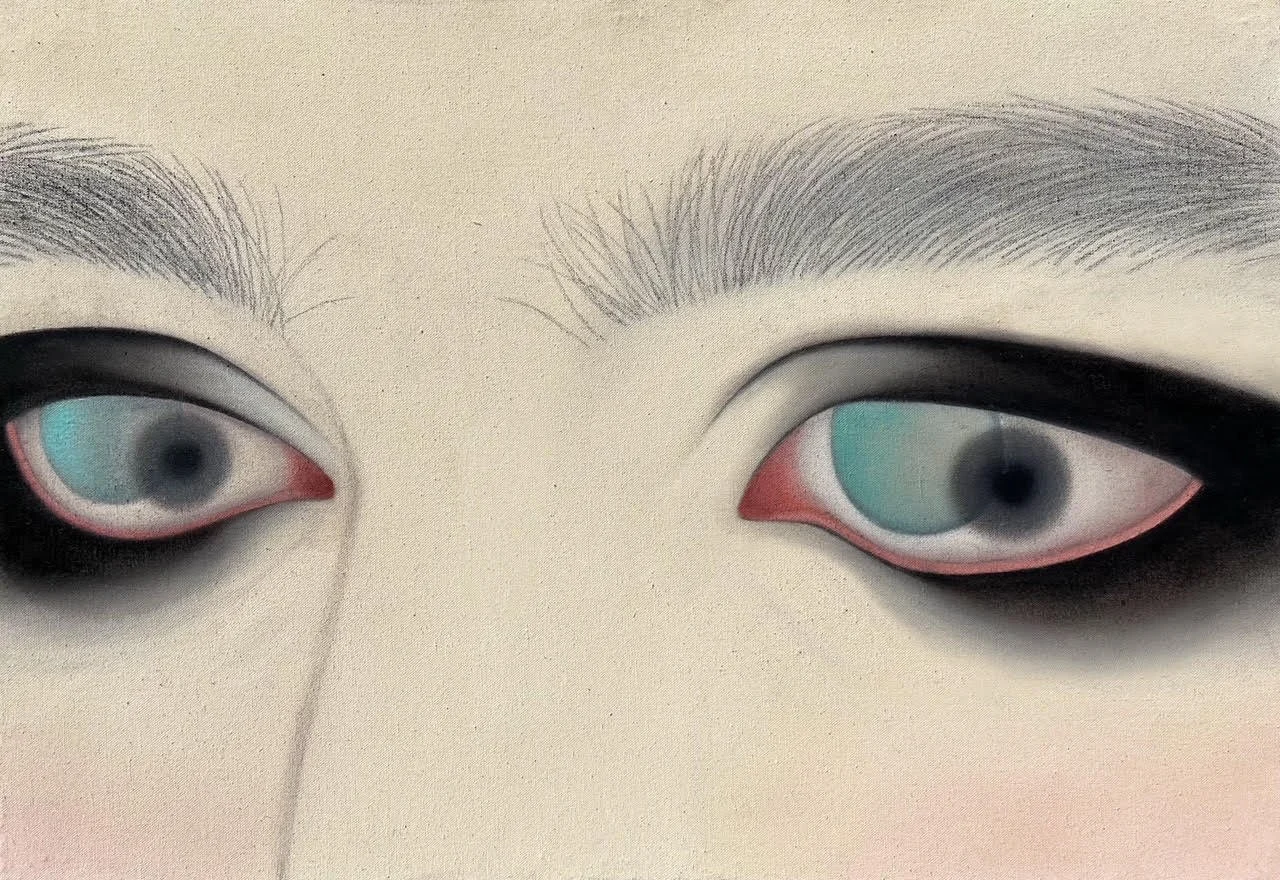
I do not draw inspiration from a single source. For a long time, I have been particularly interested in what happens between experiencing a situation and the moment that experience becomes an emotion, a feeling, and eventually a meaning in the mind.
There is a cycle I return to again and again in my work: situation, void, emotion, void, feeling, and meaning. What interests me most is not the stages themselves, but the uncertain spaces between them, the moments when meaning has not yet settled.
Ibn Arabi’s ideas about time and existence, Jung’s work on the unconscious and archetypes, questions around suffering and meaning, and the ways modern science approaches reality all come from very different traditions, but for me they meet around similar questions.
So inspiration, for me, is not necessarily an image I see or an event that happens to me. It can be a thought, a symbol, a memory, an emotion, or even an experience I cannot yet make sense of. When I paint, I do not try to explain these things directly. I try to stay within that space before meaning takes shape, while leaving enough room for the viewer to create their own meaning.
SY
Alongside some of your pieces, you include poems. How does poetry fit into your art and what is your writing process like?
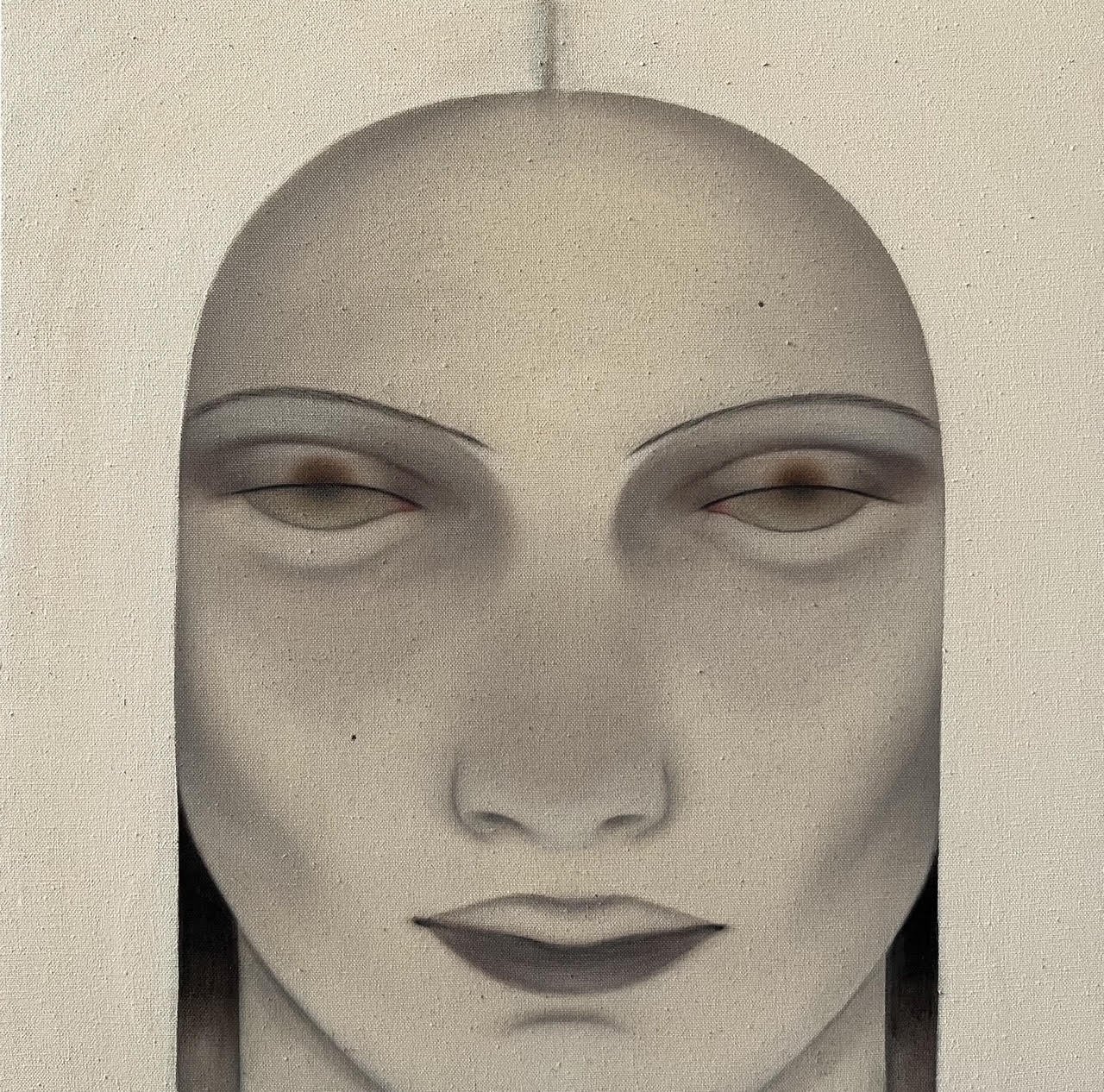
Writing is as important to me internally as painting. Sometimes I begin with a drawing and write over it; other times I write first and the drawing comes afterwards. I tend to revisit what I read and think about again and again, so writing often becomes the natural step that comes before drawing.
I would not even describe what I write as poetry. It is more like the voice of my rational side, emerging through the conversations I have with myself as I think things through. That is why, rather than bringing an idea to a complete conclusion, I often use a symbolic and somewhat indirect language in my writing. I prefer not to explain everything, but to leave room for the reader to complete it through their own experience and perception. This is very close to the way I leave space for the viewer in my paintings rather than defining their meaning for them.
For me, writing and painting are not really two things that explain each other. They are two different forms through which the same thought can emerge. Sometimes words open the way toward an image; sometimes an image carries something that words cannot express.
SY
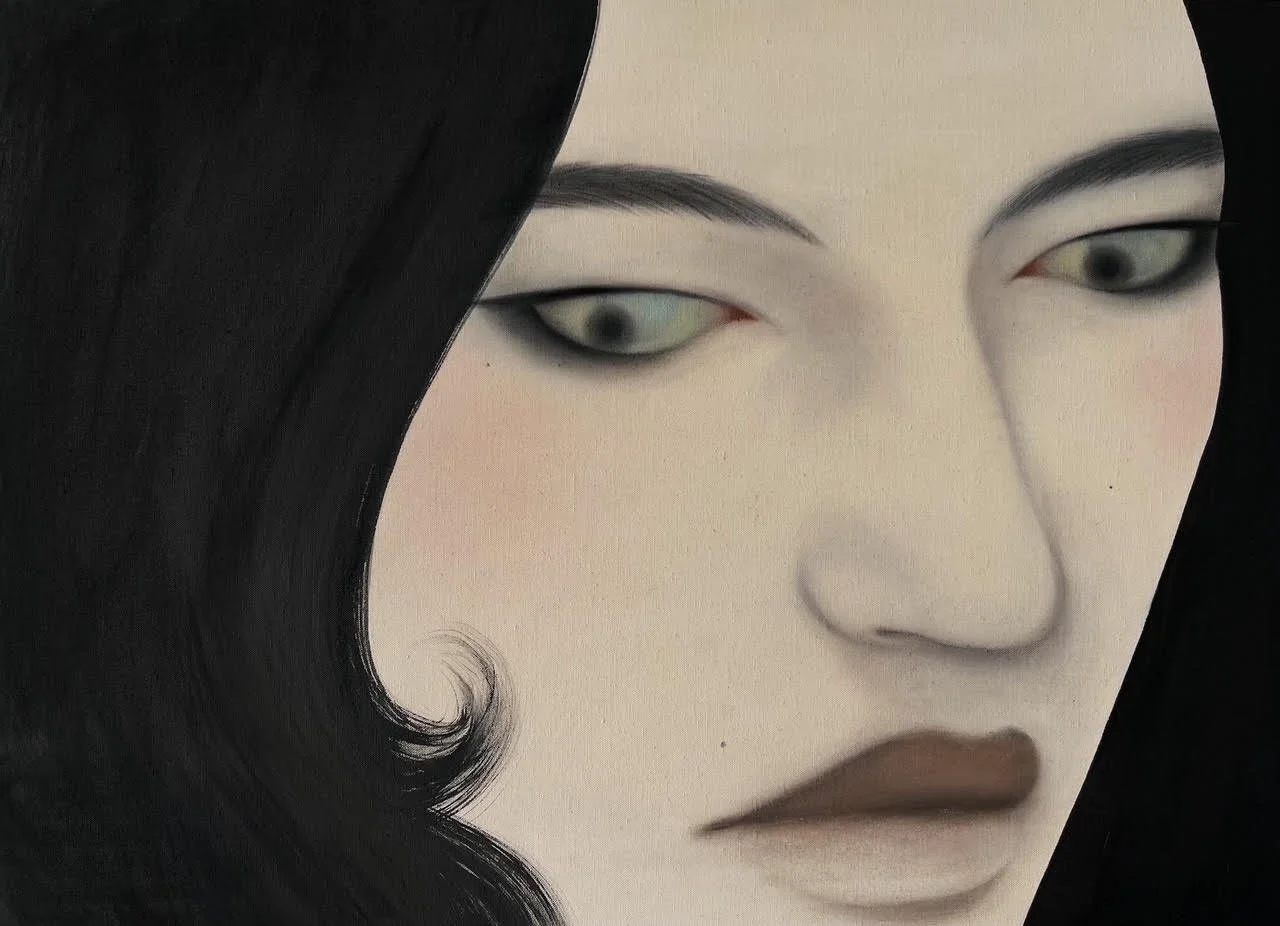
Tell us about your recent exhibition, ‘STILL WET’ at the Galerie Met in Berlin.
ISTILL WET was very close to the kind of exhibition I had wanted to be part of for a long time. What mattered to me was not simply bringing physical and digital art together, but also looking at what blockchain infrastructure can offer in terms of the authenticity, ownership, and traceability of artworks, and how these possibilities can involve different parts of the art world.
I also think the Objkt team has been genuinely active in working with artists, putting in the work, and supporting this shift. I found it particularly meaningful that Galerie Met, as a physical gallery, was also part of this structure. To me, this kind of change should not belong only to digital art platforms; it is something that galleries, artists, and collectors will increasingly need to think about as well.
I believe that some of the things that seem relatively small today in blockchain and emerging internet technologies may become much more significant in the future, especially in the ways art is produced, owned, and circulated. I see STILL WET as one of the meaningful steps we are already taking in that direction. That is why being part of the exhibition was particularly valuable to me.
SY