
Tian Jianxin
F R A G M E N T S
15.09.26
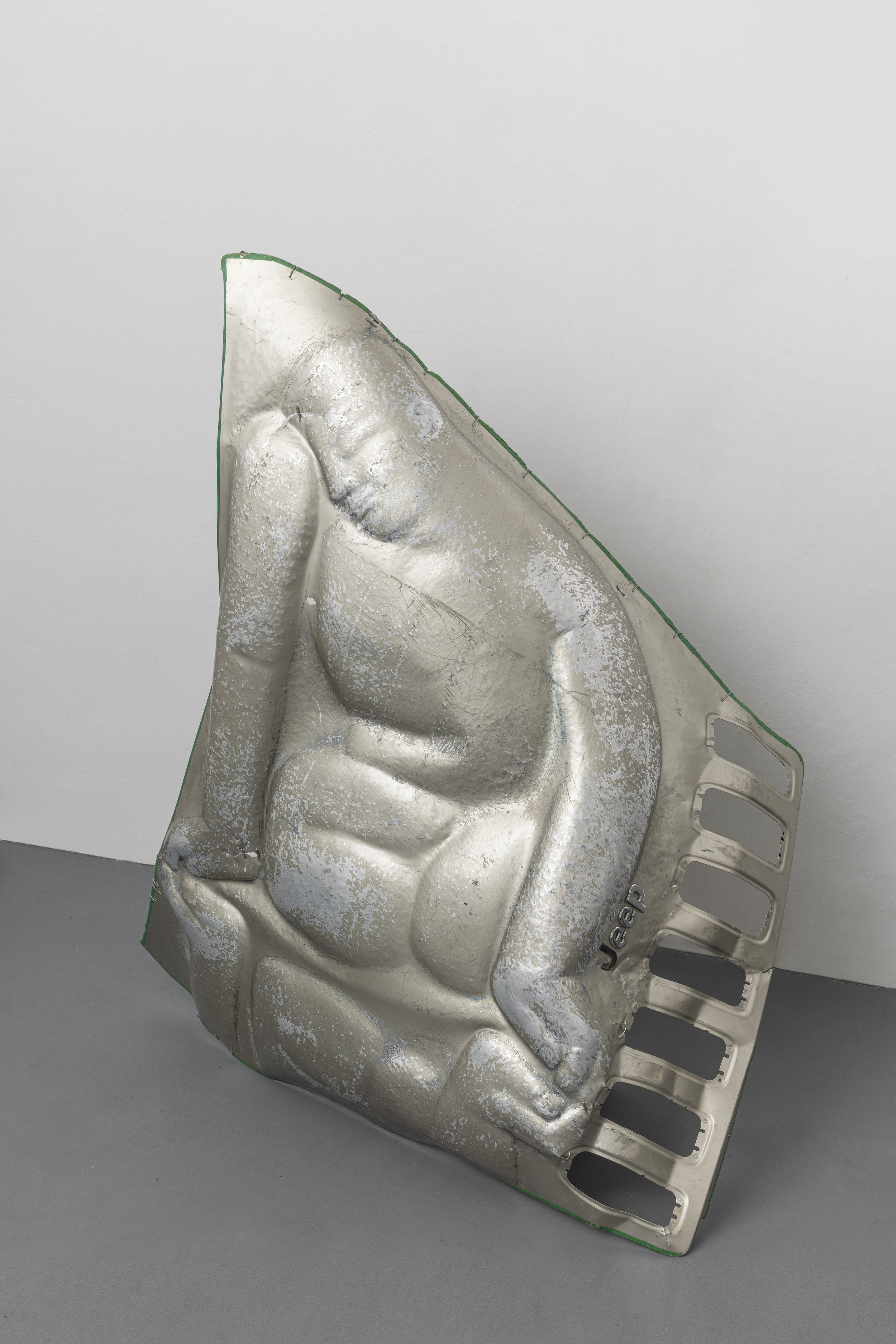
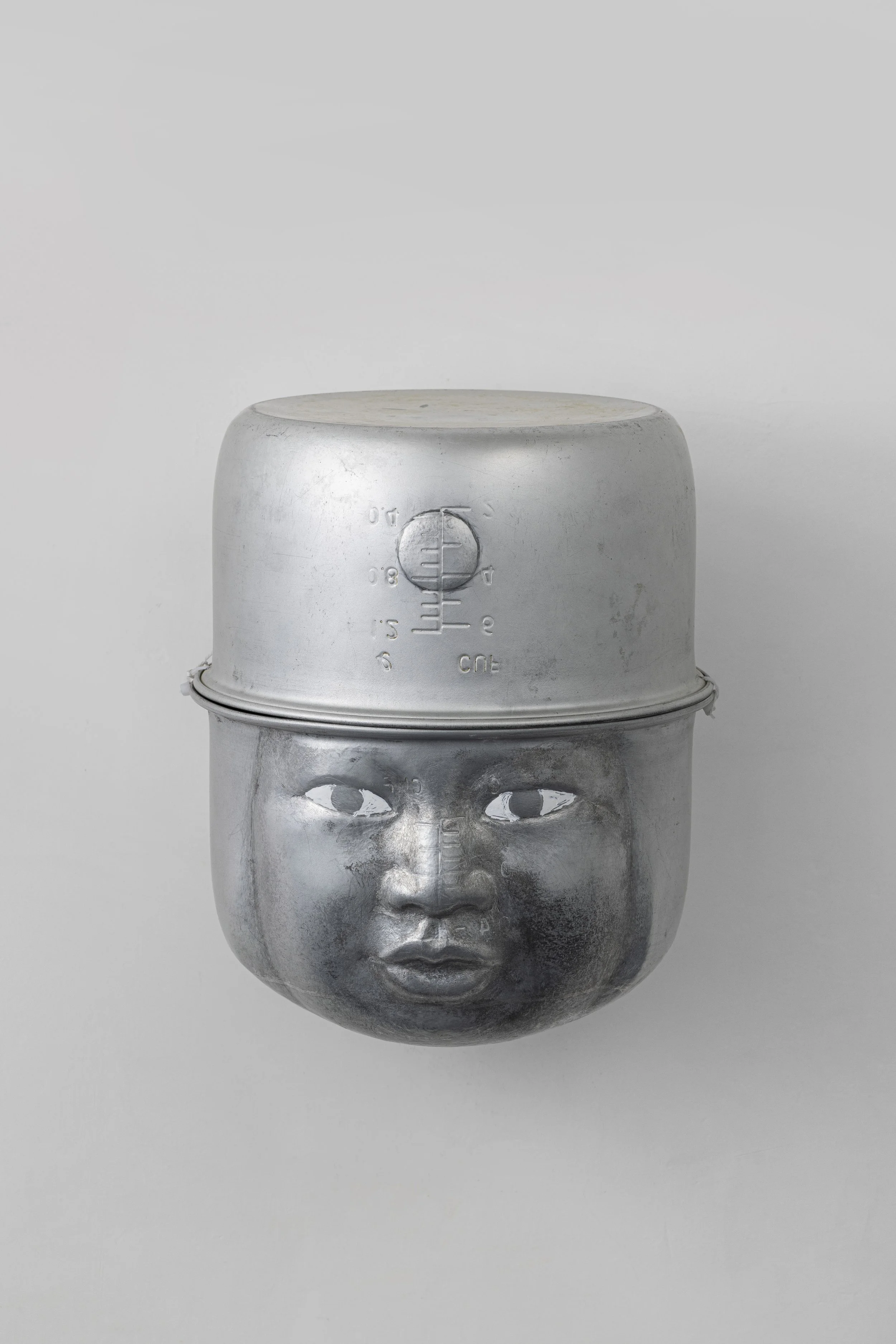
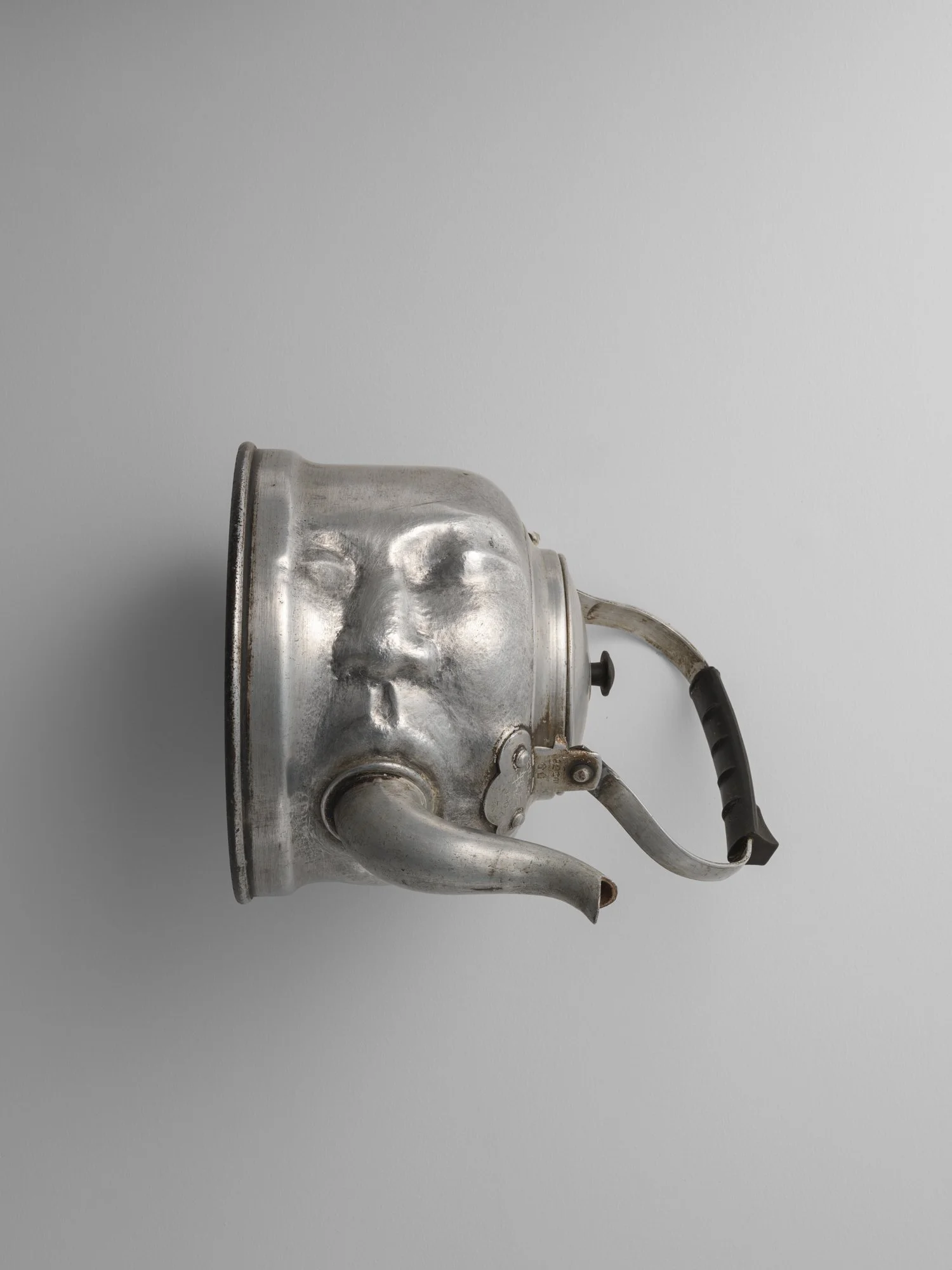
Tian Jianxin forges figurative sculpture from discarded aluminum kitchenware, shaping human forms into hollow domestic vessels without ever cutting or piercing the metal. According to Tian, preserving each object's original integrity sets a core creative constraint that ultimately unlocks greater artistic freedom. Tian's practice functions as a personal, alternative user manual for these everyday items.
For our readers encountering your work for the first time, please take us through your background.
I studied Western classical and modernist sculpture throughout my undergraduate and postgraduate years. During field research trips to rural areas, I was deeply influenced by Chinese Buddhist statues and folk sculptures. Their unrestrained modeling languages and unique viewing perspectives broke the rational constraints of academic life clay training I received in class. Visiting grottoes and temples in person allowed me to experience the holistic, immersive power of these statues within their original sites, and these experiences have subtly shaped the forms in my art.
In my undergraduate studies, I created subtractive carvings with wood and plaster, building my imagination and sculptural forms by chiseling into solid, hard materials. My postgraduate studies coincided with the pandemic, forcing me to make art at home. This shifted my focus away from campus studio routines toward ordinary domestic life. The discarded aluminum kitchenware around me became accessible materials for shaping forms, and this naturally led to my hammer-forging sculpting method.
The found objects I select have to be soft metals. Aluminum daily utensils were mass-produced standard household goods across China in the last century, their surfaces bearing residual marks of collective industrial production and domestic life. Cheap, lightweight and malleable, these hollow aluminum vessels allow me to fill their original container shapes with figurative forms and emotional layers, thanks to their natural ductility.
TJ
Tell us about your recent solo exhibition, ‘A User Guide’.
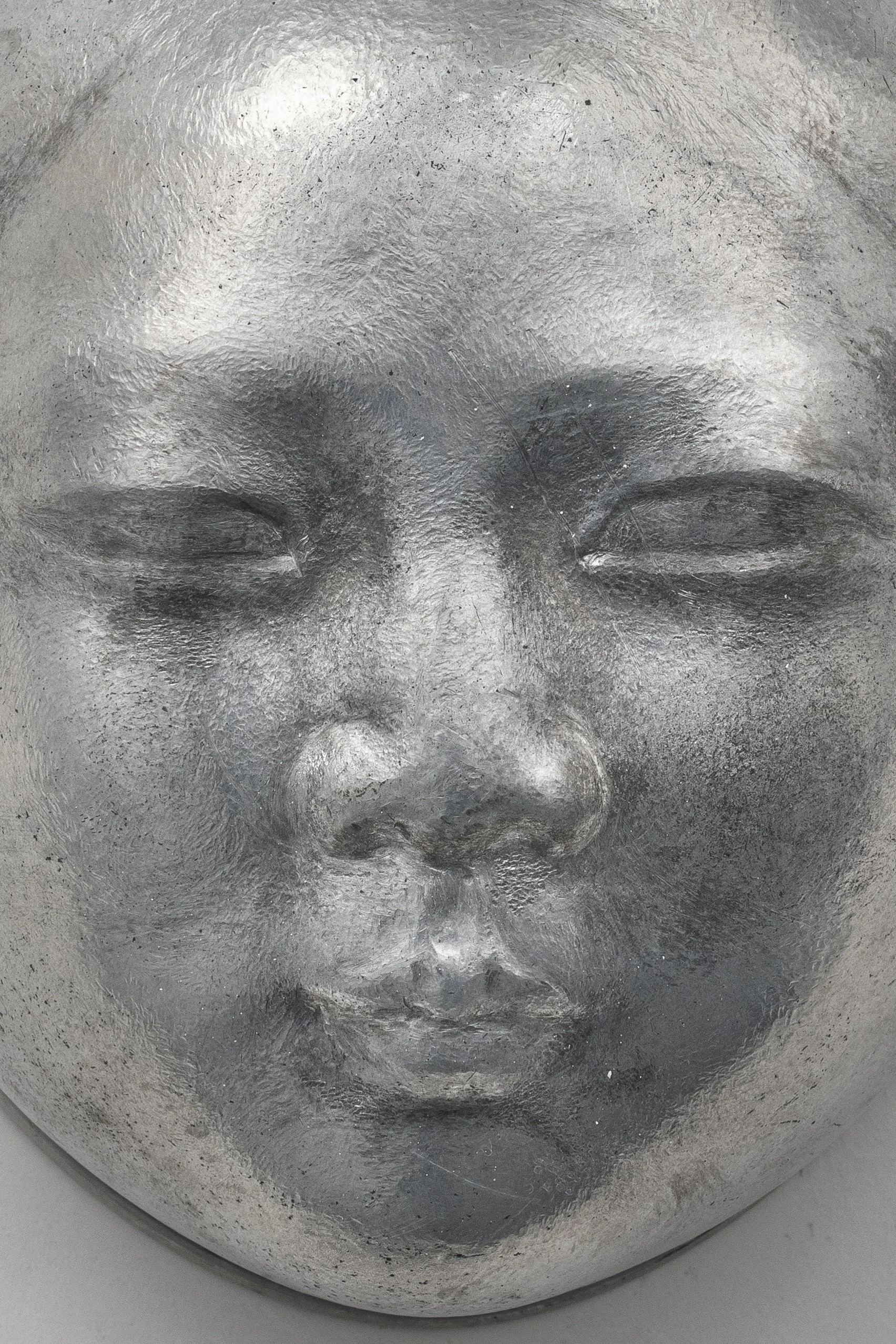
My recent solo exhibition A User Guide serves as a comprehensive presentation and summary of my works from the past few years. My practice of forging found objects functions as my personal, alternative user manual for these everyday items. The original utilitarian purpose of each object is embedded within how I manipulate and reimagine it. The show highlights my process of redefining the functionality of found objects, laying bare my creative logic and the full progression of each work rather than only displaying finished sculptures. A short documentary recording my production process also screens in the exhibition space, helping audiences fully grasp every stage of creation and uncover the quieter, inner layers behind the textured surfaces of my sculptures.
The rhythmic repetition of hammer strikes against metal surfaces visualizes the physical dialogue between my body and each object during making. Most sculptures in the show revolve around fragmented human body parts tightly intertwined with found domestic items and embodied daily sensations. Hosted inside a well-worn factory building during Beijing Gallery Week, the exhibition forms an absurd, mysterious and lively relic of post-industrial civilization, capturing traces of human production, utility, creation and inner thought.
TJ
How do your surroundings influence your pieces?
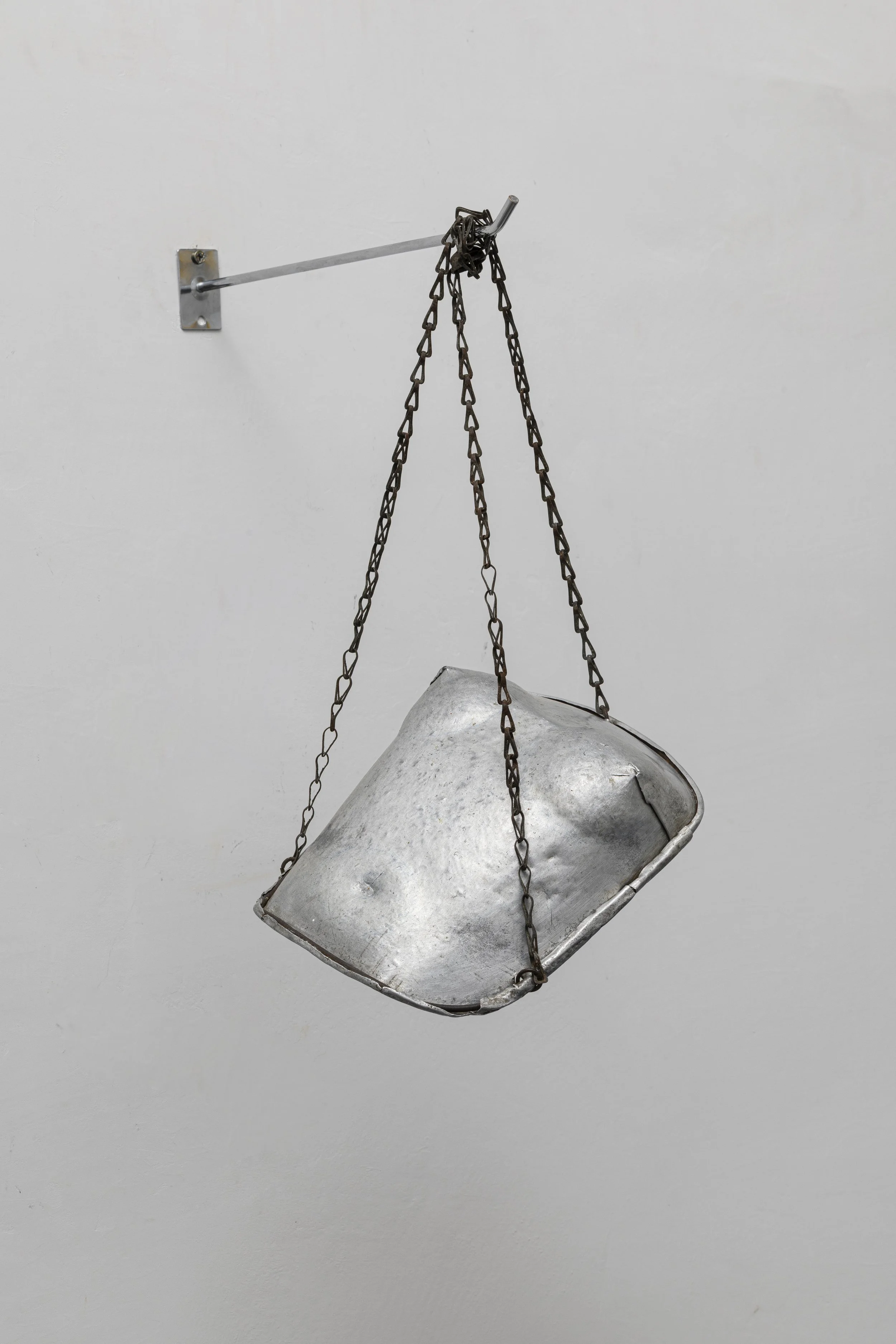
My surroundings constantly immerse and envelop me, often passively. Creative breakthroughs and flashes of inspiration usually arrive when the environment strikes a raw, sensitive nerve in my body. I first began working with household found objects during strict home lockdowns amid the global pandemic; that period pulled me out of habitual thinking and reawakened my long-dulled physical perceptions.
My current living and working space is quiet, secluded from crowds and close to nature. This draws my attention to tiny, overlooked details of everyday life. At the same time, the small dedicated studio where I focus on creation is both a comforting sanctuary for immersion and a potential restrictive shell. I rely on encounters with people, unexpected shifts and the outside world to reawaken my physical and emotional connections with strangers, local communities and distant others.
TJ
You intensely hammer found objects to get your desired finish, but you never cut into or make holes in the objects - why is that?
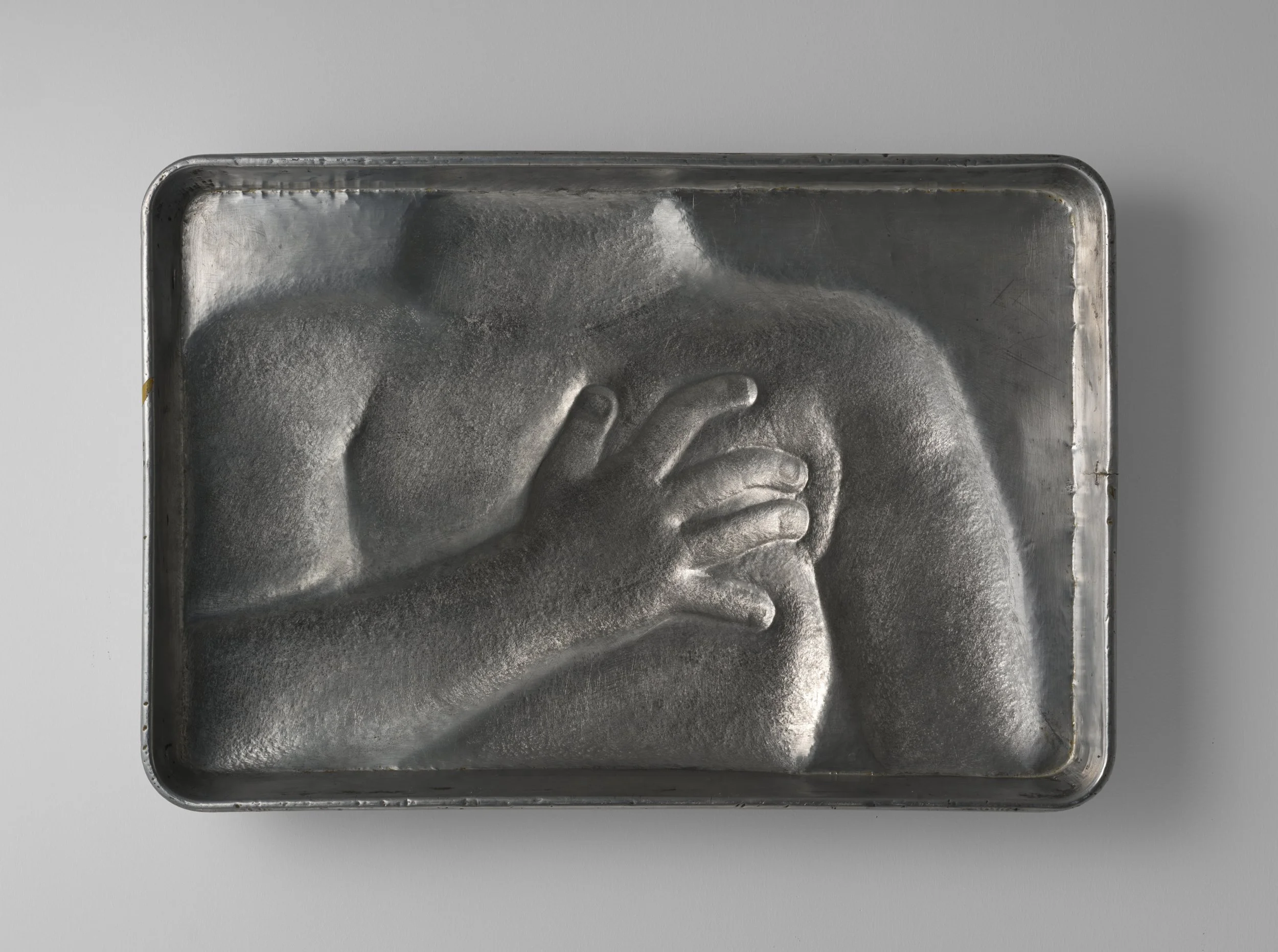
I repeatedly hammer found materials to develop subtle relational tensions within each sculptural form. The rich textures, creases and folds across their surfaces emerge gradually through accumulated, repetitive hammering over time, rather than deliberate decorative carving.
I avoid destructive cutting or piercing to preserve each vessel’s original integrity, enabling genuine dialogue with its inherent function. Retaining the wholeness of found objects sets a core creative constraint that paradoxically unlocks greater artistic freedom. Honoring the object’s original identity and inherent characteristics often brings me closer to the authentic essence of sculpture than imposing my own arbitrary vision onto the material.
This principle is not an unbreakable rule, merely a mode of working that sparks vivid, imaginative exchanges between myself and materials at this stage of my practice. I remain open to cutting, reconstructing and collaging objects if such interventions reveal new expressive power within the work.
TJ
Where do you draw inspiration from?
Most of my inspiration originates from direct observation of individual objects: their functional design, wall thickness, hollow structure and proportional relationship with the human body. Every found item carries embedded iconographic meanings, which often act as my entry point into working with it. I then layer my immediate emotions and inner desires onto the material in an unscripted, spontaneous creative process. Through distorted, fragmented bodily forms, I visualize personal lived experience etched onto the cold, rigid surfaces of mass-produced industrial goods.
TJ
What’s next for Tian Jianxin?