
Seongguk Cho
F R A G M E N T S
02.10.26
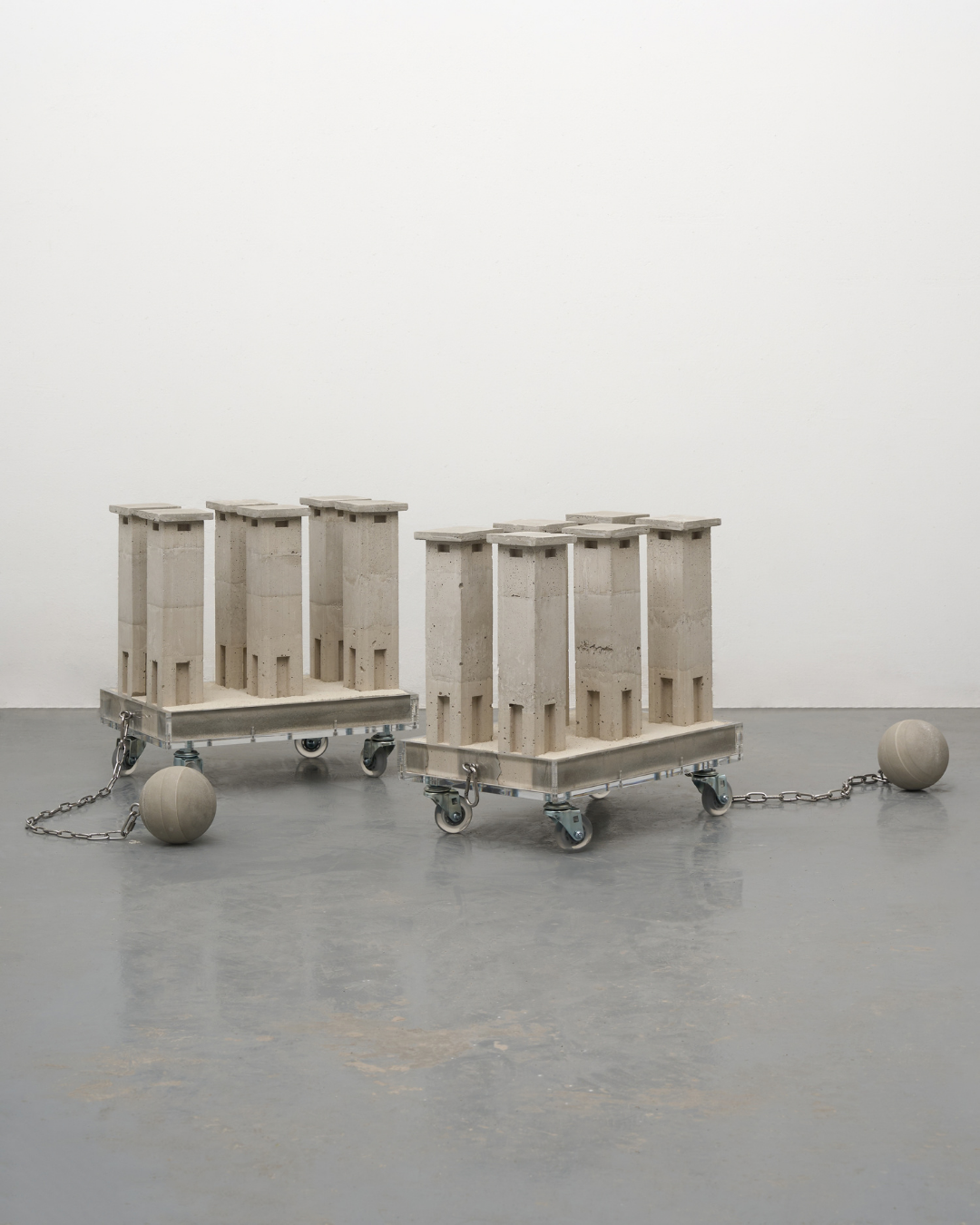
Working with concrete, rebar, and metal, South Korean artist Seongguk Cho creates sculptures that sit between structure and body. Seongguk’s art portrays buildings as living organisms, with boilers for hearts and pipes for veins.
For our readers encountering your work for the first time, please take us through your background.
My practice is rooted in sculpture, but I have always been interested in the relationship between sculpture, architecture, and the spaces we inhabit.
I became particularly interested in architecture because, like sculpture, it deals with space and form. The difference is that architecture is generally created for a specific function, while sculpture requires a space in order to exist. This relationship has led me to think about sculpture not as an isolated object, but as something that coexists with people and their surroundings.
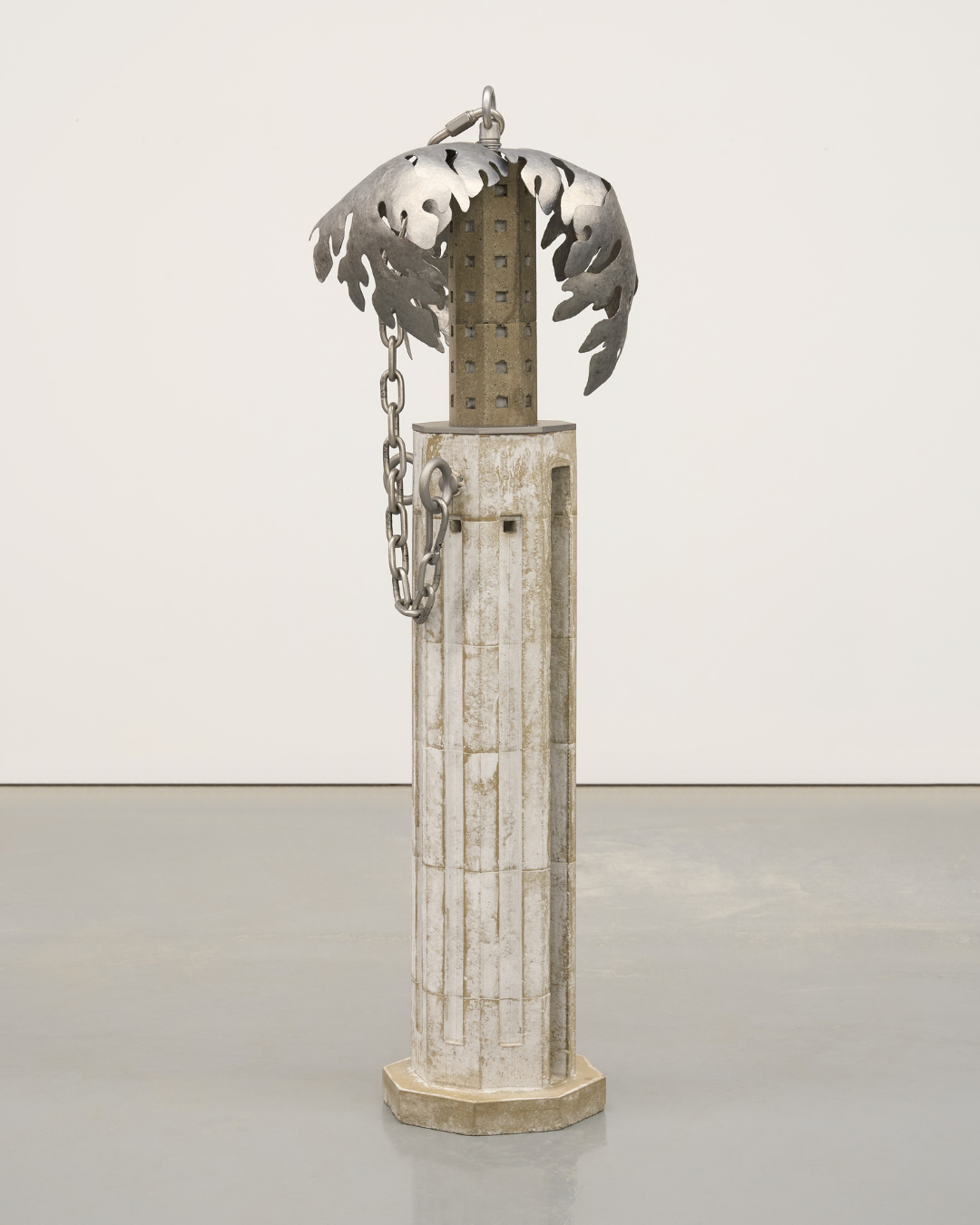
I work mainly with materials and processes associated with construction, such as concrete, mortar, metal, rebar, and formwork. I am interested not only in the finished form, but also in the traces of measurement, assembly, fabrication, and construction that remain within it. I often take familiar architectural structures or everyday objects and shift them slightly, allowing them to become something between a functional structure and a sculptural object.
Ultimately, I am interested in how something constructed by humans can gradually become part of our environment—almost like a kind of nature—and how sculpture can exist within that environment alongside us.
SC
Where do you draw inspiration from?
I draw inspiration from nature. I often find references in the streets and in old houses and buildings, paying particular attention to architectural elements such as exposed pipes, fixtures, and decorative details. It may sound a little strange to say this, but I consider these things to be a form of nature.
SC
Talk us through your recent installation, 𝘔𝘰𝘯𝘵𝘩𝘭𝘺 𝘙𝘦𝘯𝘵: 𝘛𝘩𝘪𝘯𝘨𝘴 𝘢𝘮𝘪𝘥 𝘏𝘰𝘶𝘴𝘪𝘯𝘨 𝘈𝘯𝘹𝘪𝘦𝘵𝘺.
It was simply a group exhibition about the lives of young people who cannot afford to own a home.
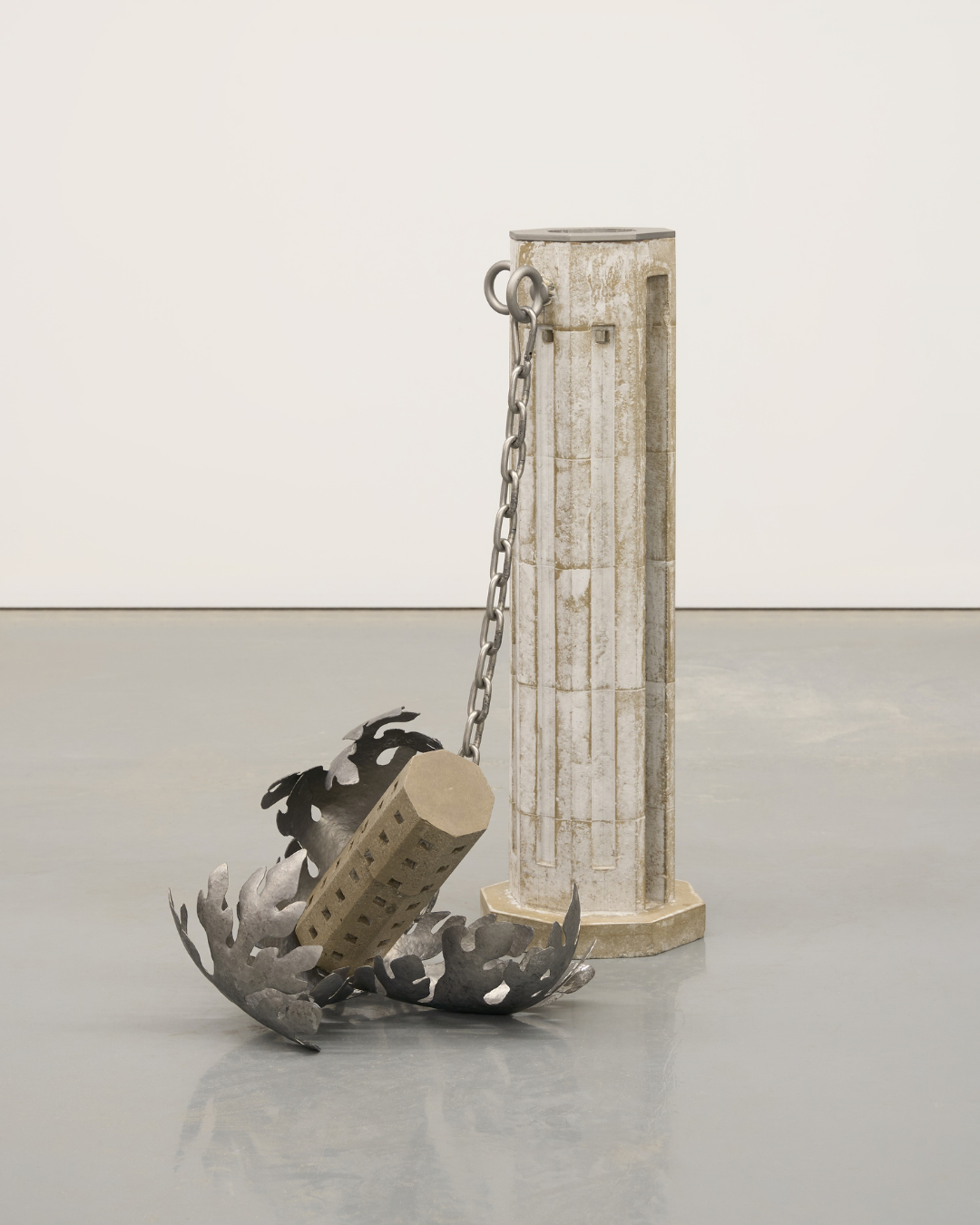
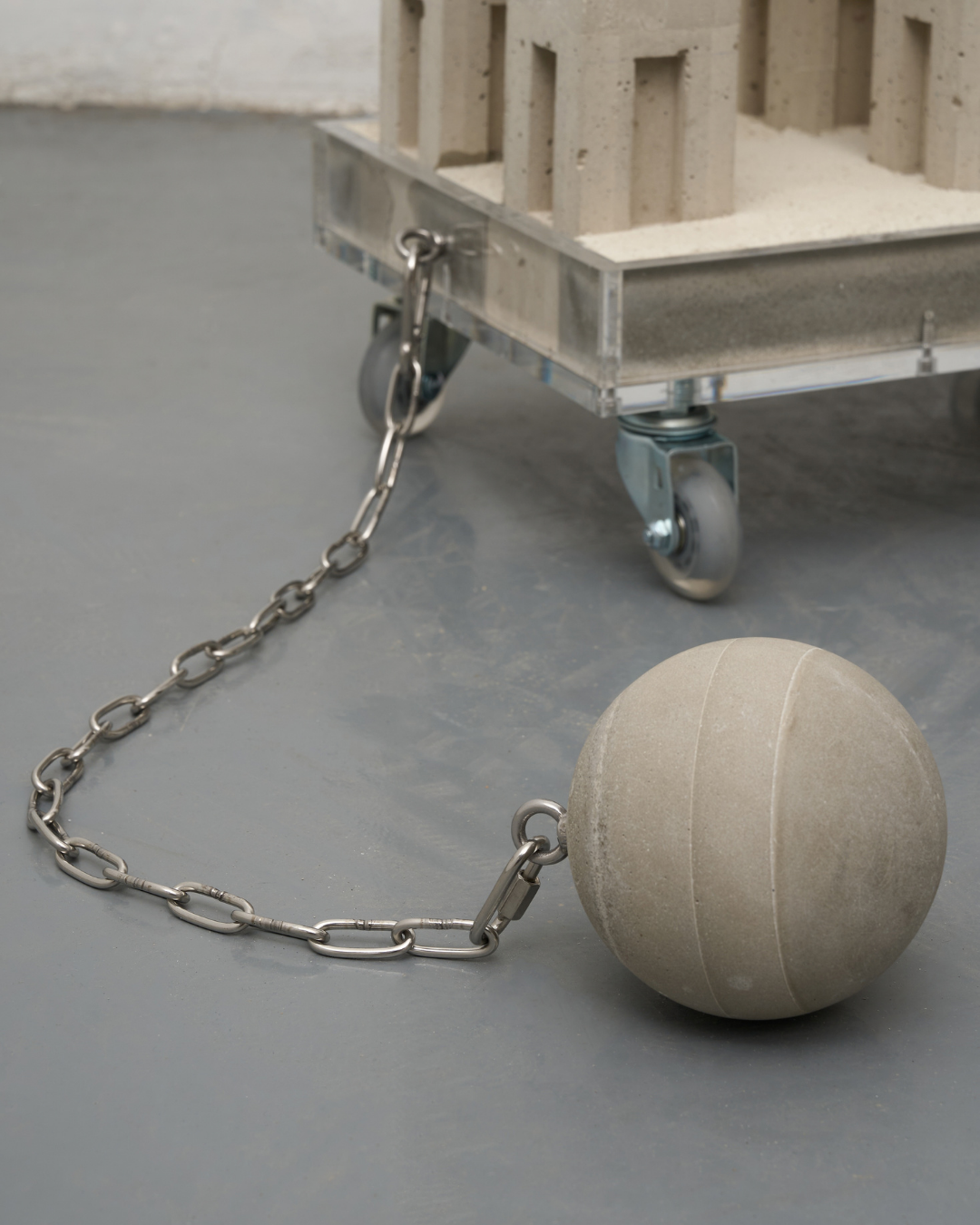
More recently, I have been thinking about housing and the things that remain close to us for a long time. Our living spaces can be temporary and constantly changing, while certain objects, structures, and memories remain with us. Through sculpture, I explore the contrast between movement and permanence, function and memory, and architecture and the human body.
SC
Tell us about your work in the <Fault Index> exhibition at the Studiya Gallery, Seoul.
I construct sculptural bodies using architectural materials. Rebar becomes bone, mortar and cement become flesh, and thick layers of finishing material become skin. Here, architecture and the body are not treated as opposing elements, but as parts of a continuous structure.
My lifecast figures emerge directly from concrete plinths, rejecting the smooth, seamless illusion traditionally favored in sculpture. The points where different forms meet and the joints that connect them are left exposed. What is usually concealed instead becomes central to the work, while the fact of coexistence is made visible through the joints that hold the forms together.
SC
What’s next for Seongguk Cho?