Helena Parys
IN CONVERSATION
06.08.26
F R A G M E N T S
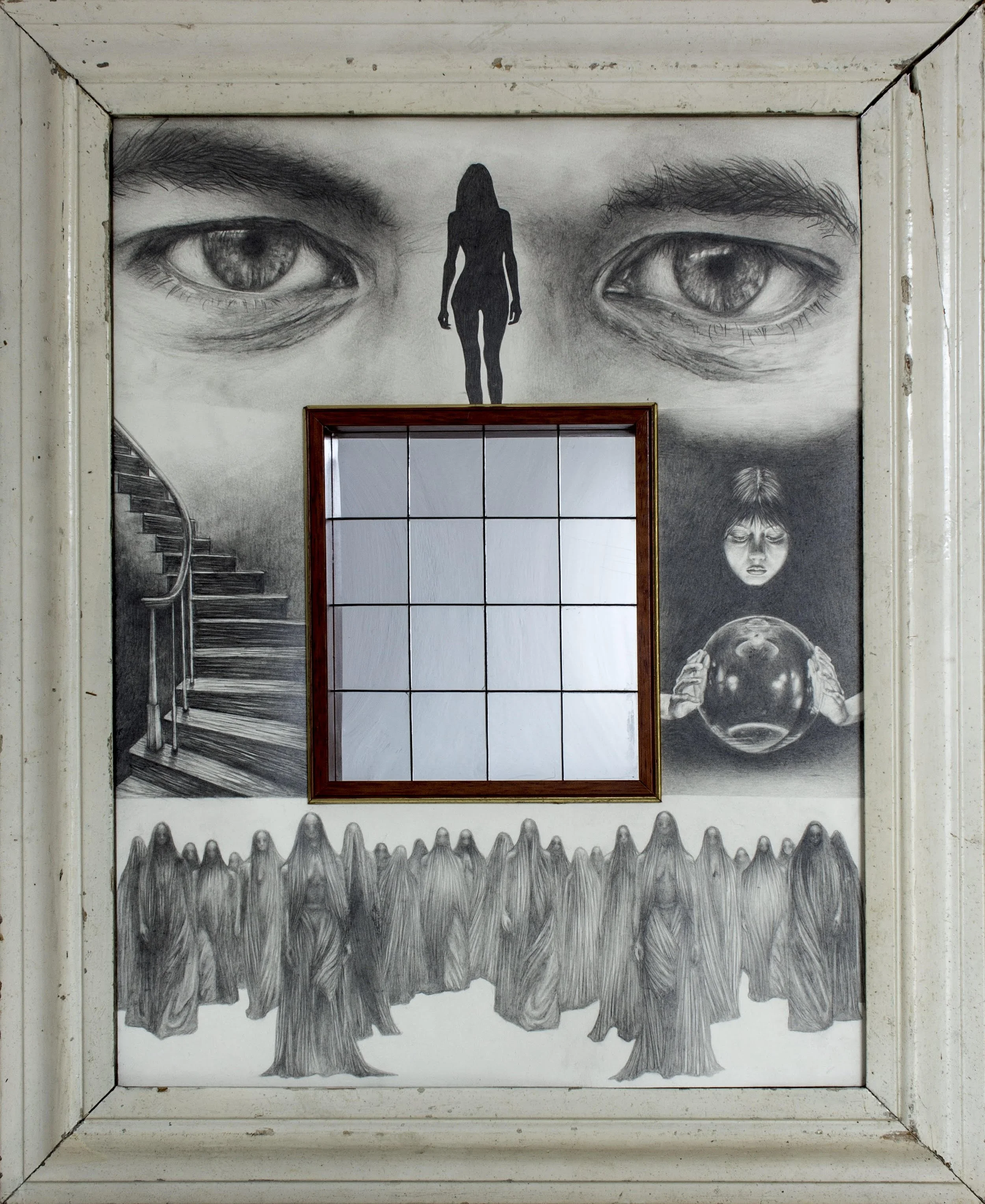
Helena Parys is a Polish artist working between Belgium and Poland. She studied Art Restoration at the Academy of Fine Arts in Kraków before completing her BFA at the Royal Academy of Fine Arts in Antwerp. Helena often begins with objects she collects that become significant over time, thinking about how the things around us become connected to our memories and our sense of self.
For our readers encountering your work for the first time, please take us through your background.
I am a Polish artist currently working between Belgium and Poland. I studied Art Restoration at the Academy of Fine Arts in Kraków before completing my BFA in Fine Arts at the Royal Academy of Fine Arts in Antwerp. My practice develops through painting, sculpture, and mixed media, combining traditional techniques with contemporary processes and digital fabrication. I often begin with personal experiences, memories, dreams, or objects that become significant to me over time. Through transforming these elements into artworks, I think about how identity is shaped, performed, and constantly changing. I enjoy learning new techniques, and I rarely work within only one medium. Each material brings different possibilities, so I usually let the idea determine how the work should be made. Many of my works begin from my own experiences, but I am interested in the moment when something personal starts to become more universal. Through self-portraiture, altered figures, and staged environments, I look at ideas around femininity, beauty, consumption, and contemporary image culture.
HP
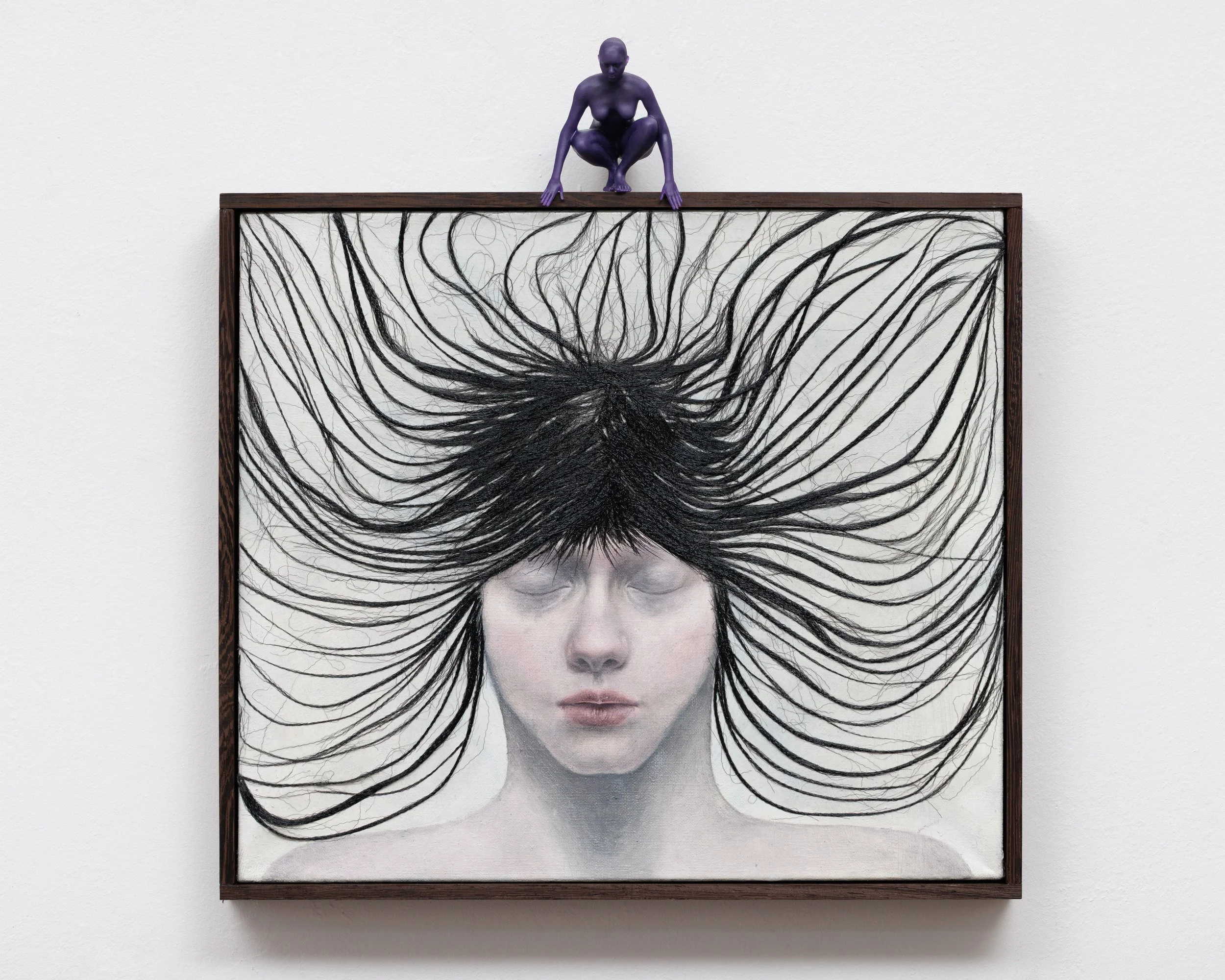
Many of your works depict the same person or similar people. Can you talk us through who the subject/s in your pieces are?
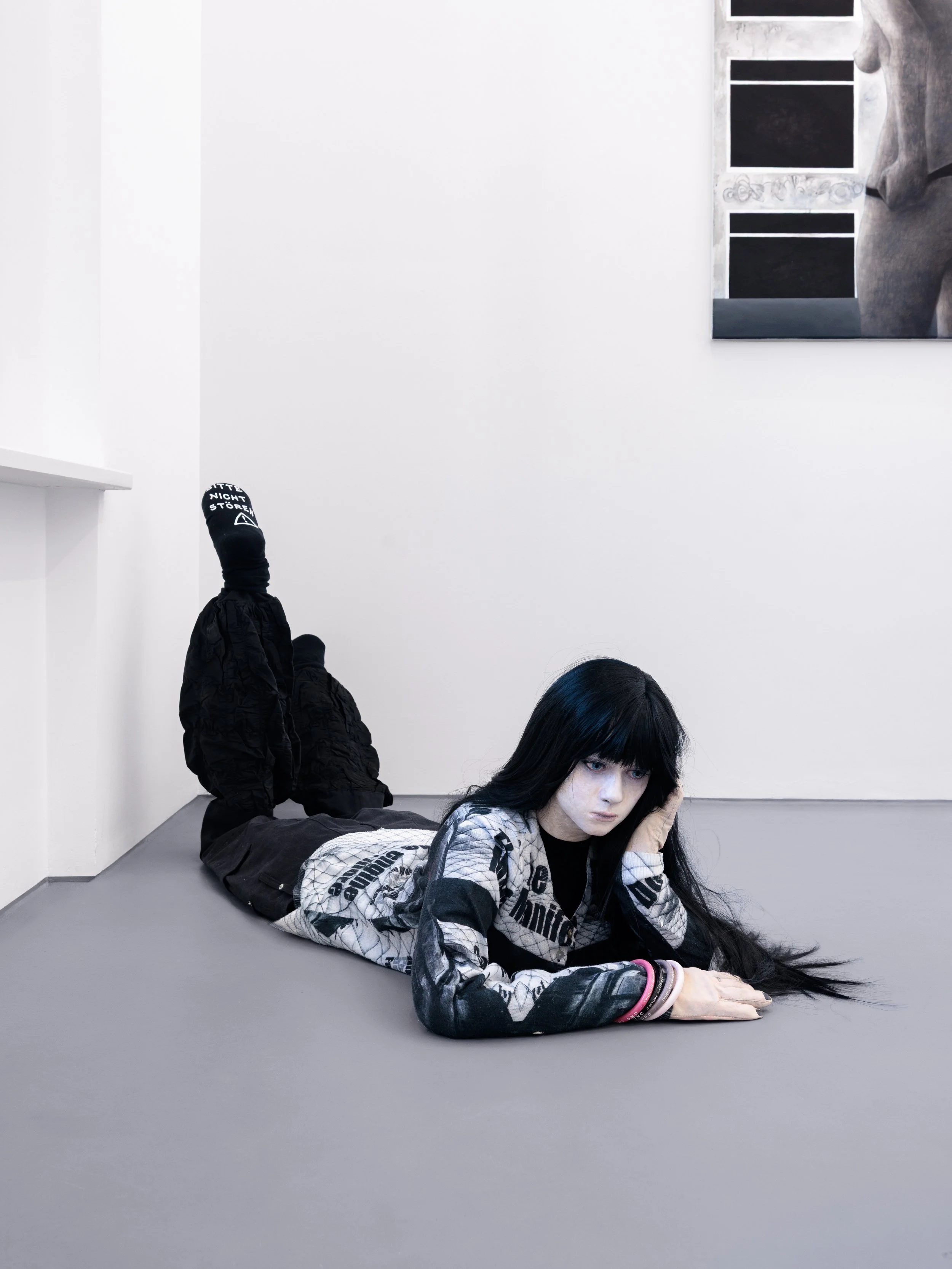
The figures in my work are usually based on myself, but I don't think of them as direct self-portraits. They often become something between myself and a fictional character. By changing details, exaggerating certain features, or placing them in imagined situations, I use the figure as a way of creating a space between personal experience and fiction. Through this recurring figure, I return to questions around identity, appearance, and self-image, while still leaving room for the character to exist independently from me.
HP
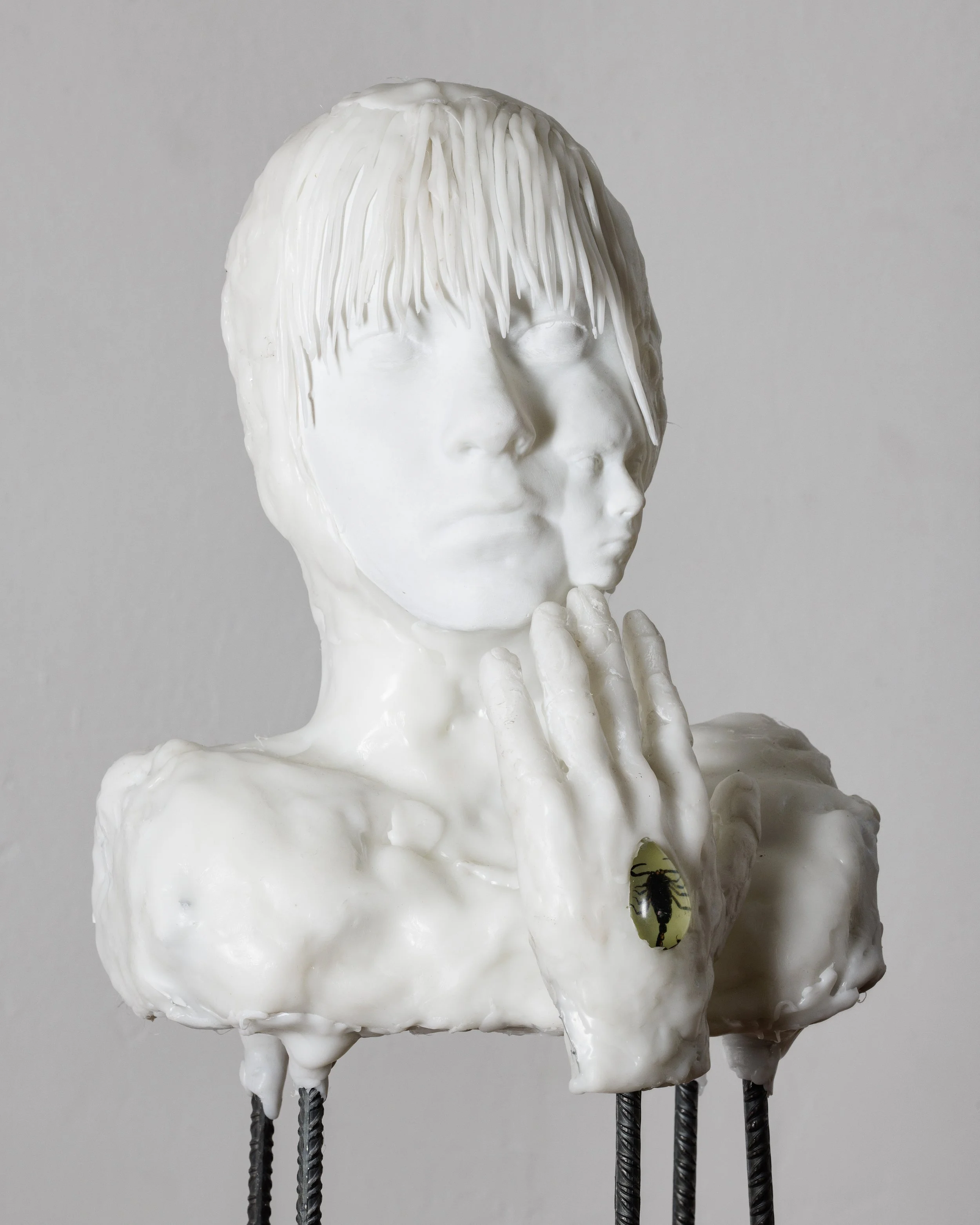
Talk us through the process behind creating your latest solo exhibition, “Trip Slip Hazard”
The title “Trip Slip Hazard” actually came before the exhibition itself. I came across the phrase on a warning sign in a shopping mall in Hong Kong, and it stayed with me. I really liked the melody of the words and the way they looked together. Although it originally referred to something completely different, the phrase gradually became the conceptual starting point for the exhibition.
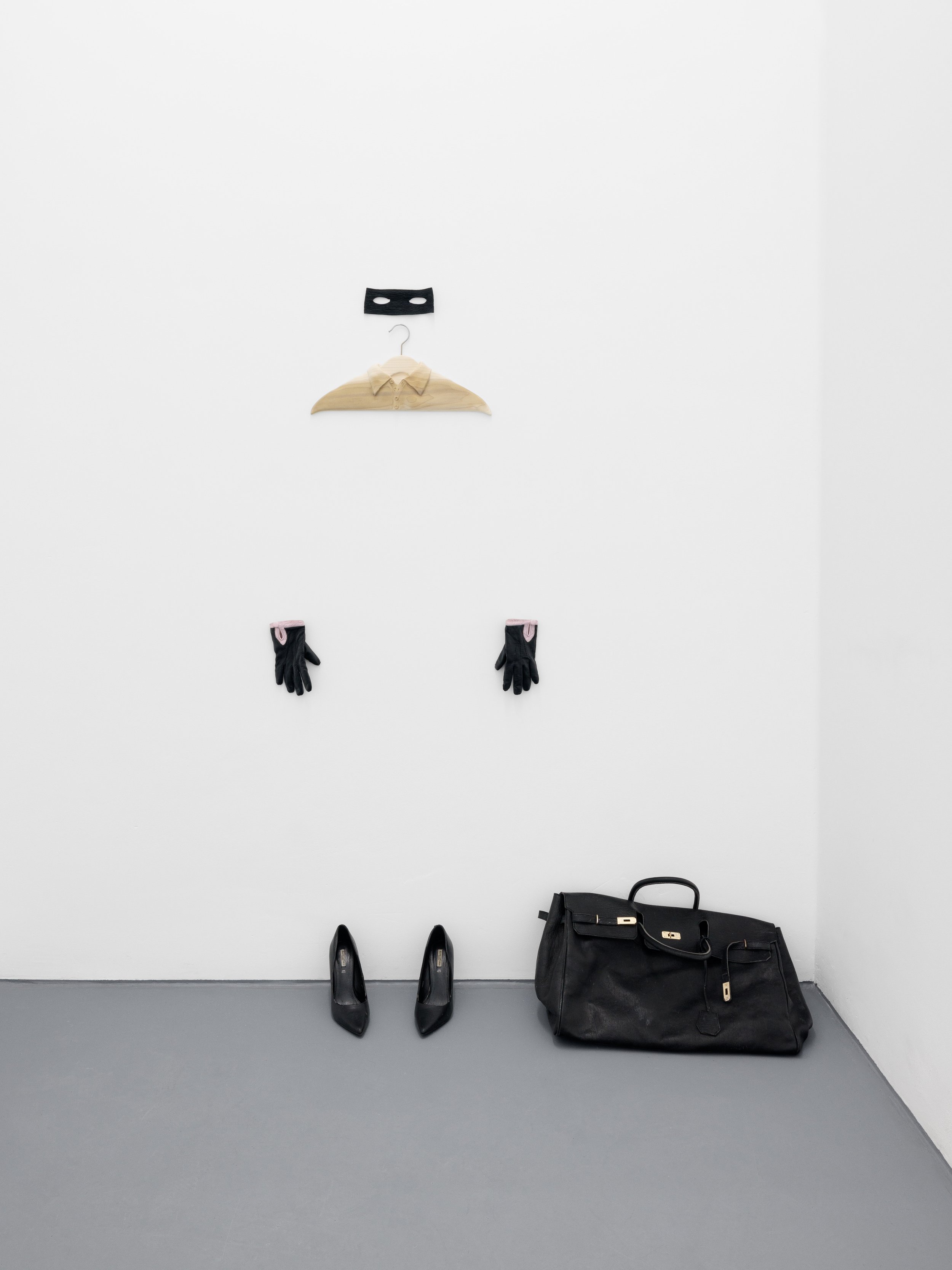
The exhibition developed from my long-standing habit of collecting objects. “Trip Slip Hazard” became a way of bringing this part of my life into my practice and thinking about how the things around us become connected to our memories, experiences, and sense of identity.
The collected objects appear directly in some works, while others became the starting point for paintings and sculptures. I started thinking about how objects gather personal meaning over time and become connected to our sense of self.
There is also a lot of wordplay throughout the exhibition. Quite often a work begins with a title, a phrase, a song lyric, or a metaphor that slowly develops into an image. Fashion is another recurring reference throughout the exhibition. I am interested in how clothing and accessories communicate identity, aspiration and, desire, so they naturally became intertwined with the collected objects and personal memories.
HP
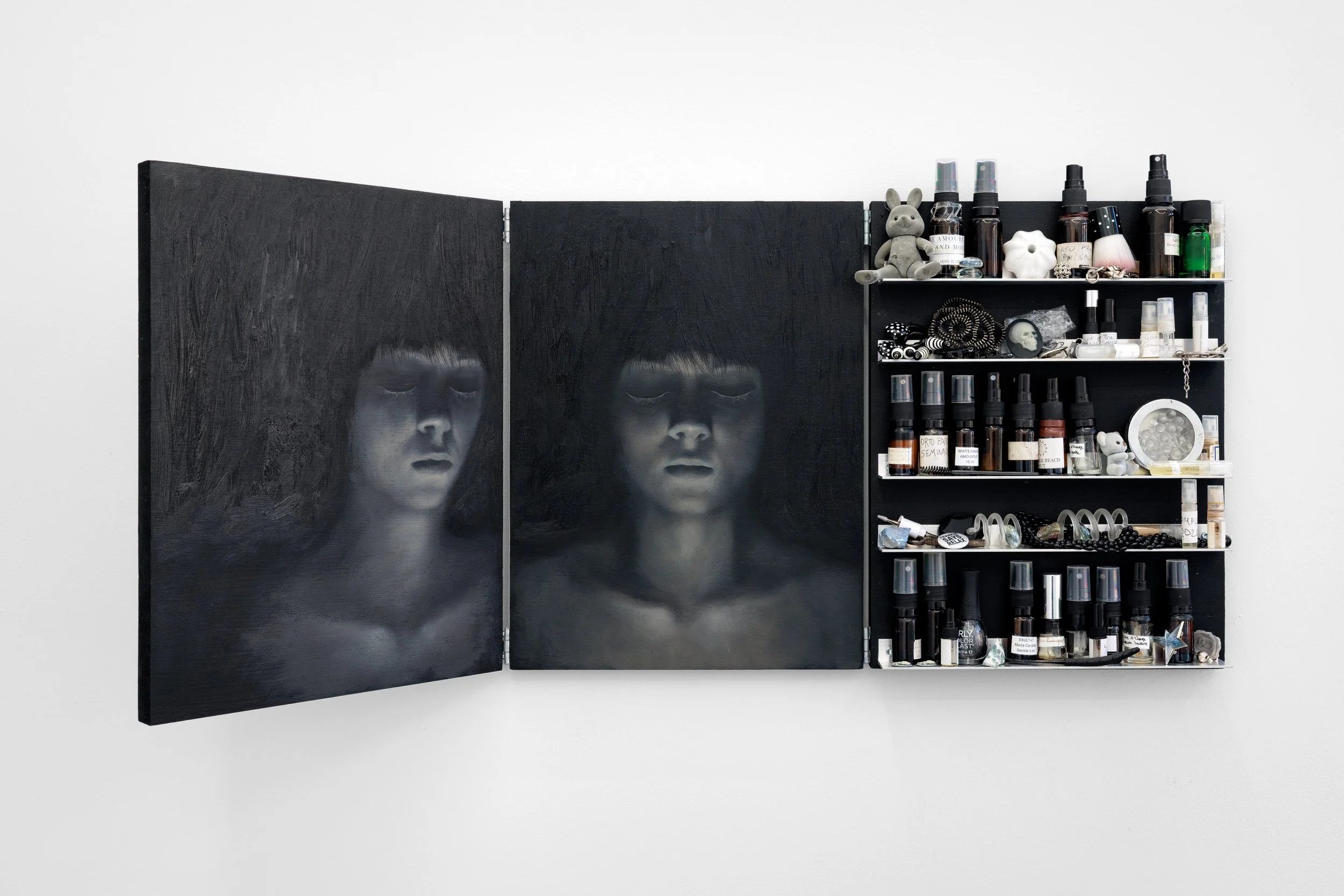
In your exhibition “The Inhabitant and the Guest”, you create a series of self-portraits. How did you navigate having to observe and honestly portray yourself?
Most of the paintings in “The Inhabitant and the Guest” begin with videos I take of myself. I record myself in specific poses that often feel slightly awkward or unnatural, and then use still frames from these videos as painting references.In “Cycles”, I approached self-portraiture through different stages of life, using photographs of myself as a baby, as well as images of my mother and grandmother as references. Since we all look very similar, the figures became different versions of the same person across time. The process of translating myself into a painting creates a distance between the original image and the final work. I am not trying to recreate the photographs exactly, but to translate them into something that carries a certain feeling or atmosphere. Once the image becomes a painting, it becomes something I can change and reinterpret.
HP
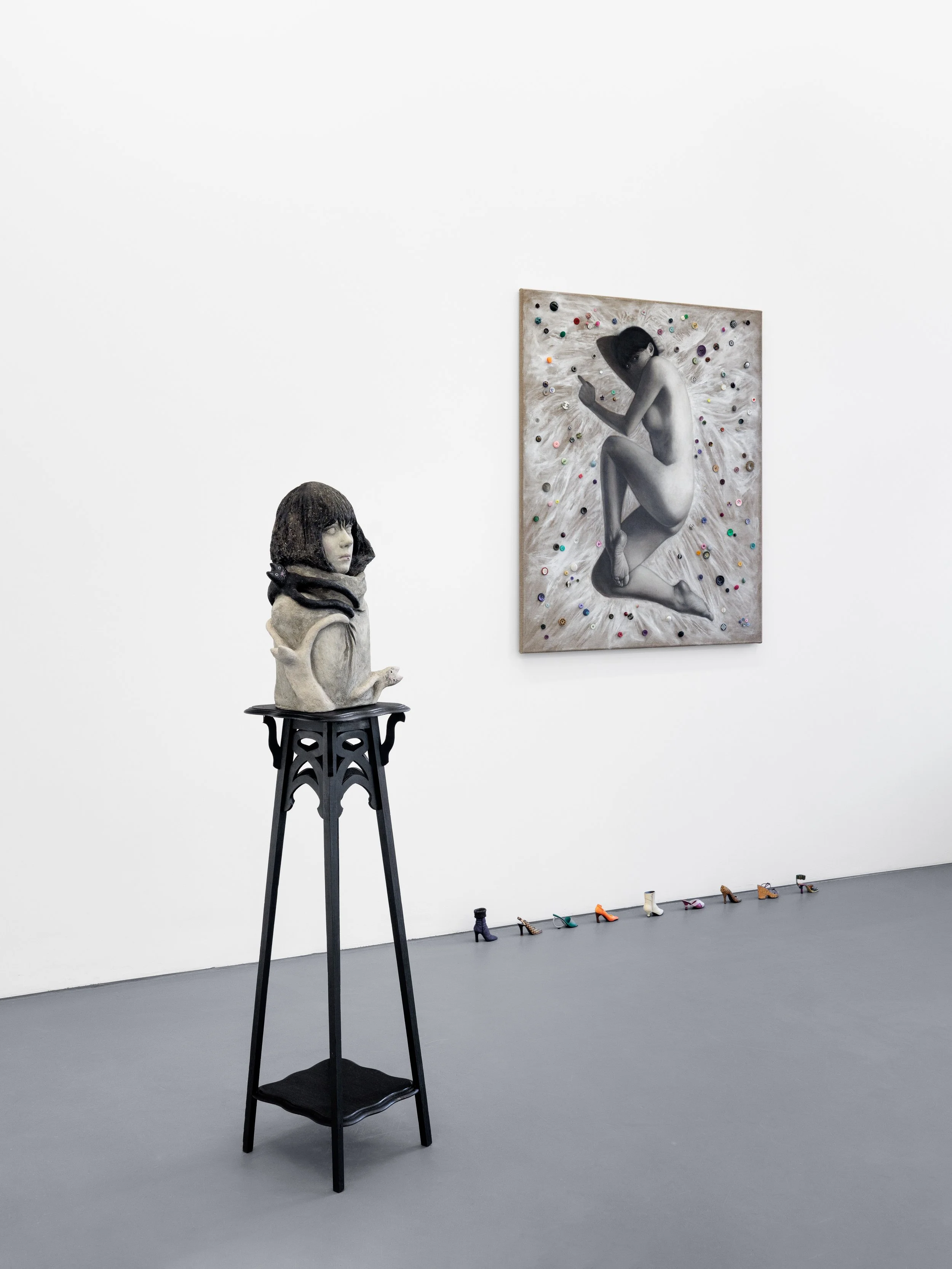
Where do you draw inspiration from?
Most ideas come to me while I am doing something else. I often get images in my head while sitting in the passenger seat of a car with my headphones on. When I am not actively trying to come up with ideas, they suddenly appear.
Sometimes a work starts with an object I find on Vinted, sometimes with a funny metaphor, a song lyric, or a title that creates an image in my mind. Music influences my work a lot, especially the way a single phrase can suggest an entire scene.
I am also inspired by other artists. I don't think I would be able to make work without looking at other people's work first. Seeing how someone else approaches materials, images, or ideas often opens up new directions for my own practice.
HP
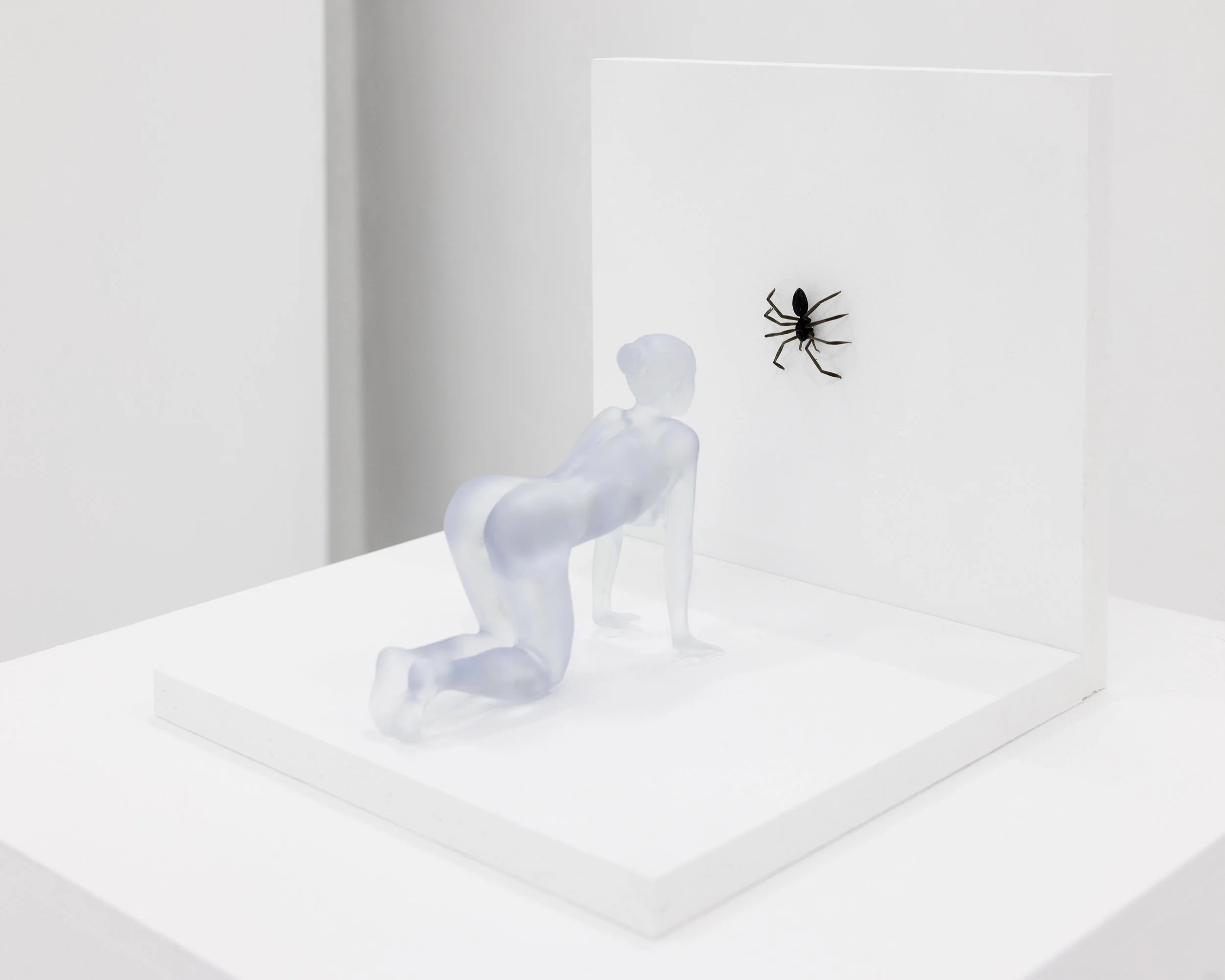
What is next for Helena Parys?
This autumn I am moving from Belgium to Warsaw, which feels like a very exciting change. I am looking forward to becoming part of the Polish art scene again, especially because Warsaw has such an active contemporary art community. Recently, I have been working on things that feel more playful and slightly further away from my typical self-portraits. I want to spend more time working with mixed media, assemblage, and objects as the starting point rather than always beginning with my own image. I am still interested in questions around identity, memory, and the things we surround ourselves with, but I am excited to approach them through new materials and forms.
HP