Undress House: Designs by Jaeho Lee
WORDS BY ERINA MANNAN
05.11.26
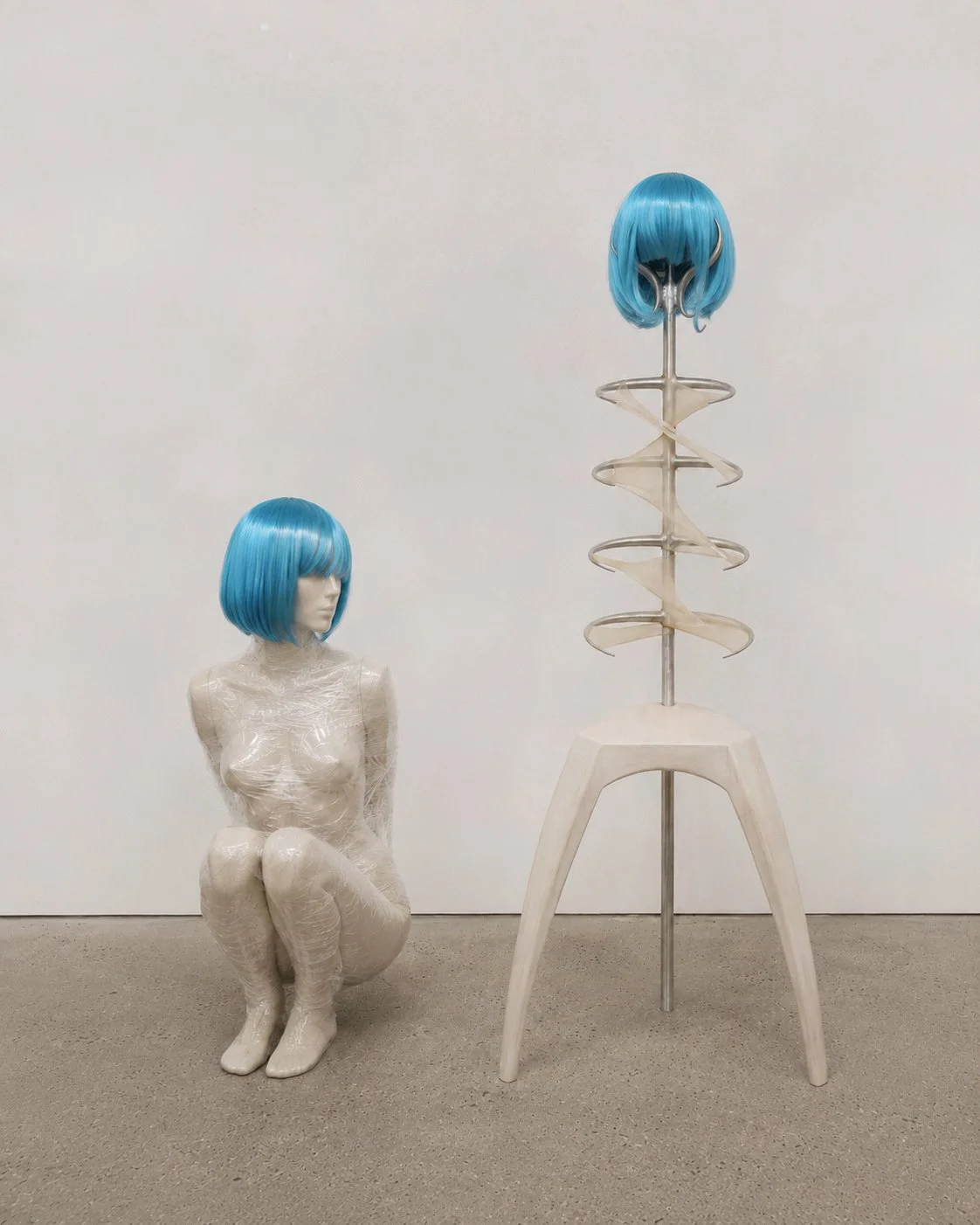
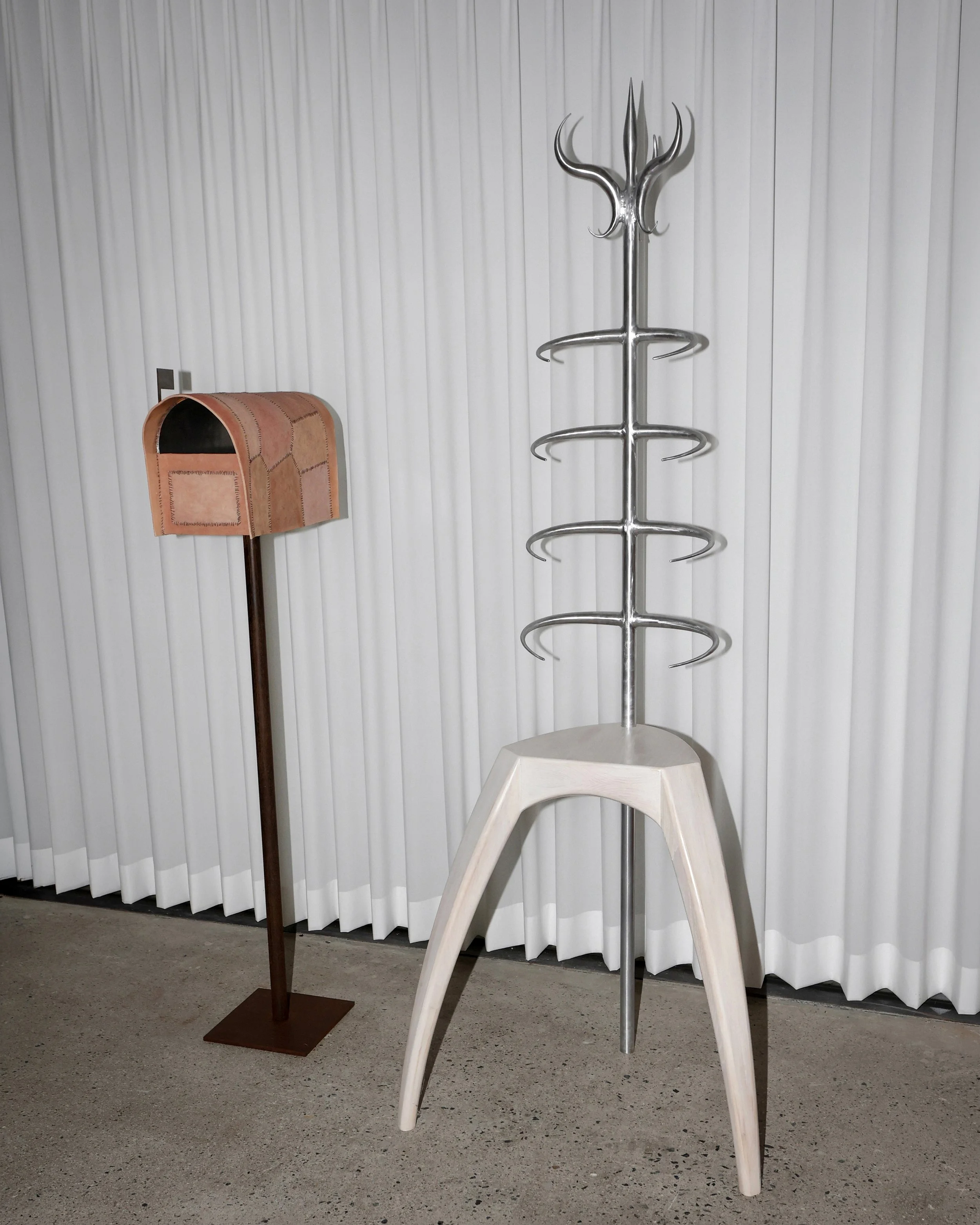
From skeletal coat hangers to synthetic-skin mailboxes. The founder of Undress House, Jaeho Lee, creates furniture that is simultaneously beautiful and unsettling. He questions who we become when we enter our own homes, when we can hang up the “social skin” that hides our innermost self.
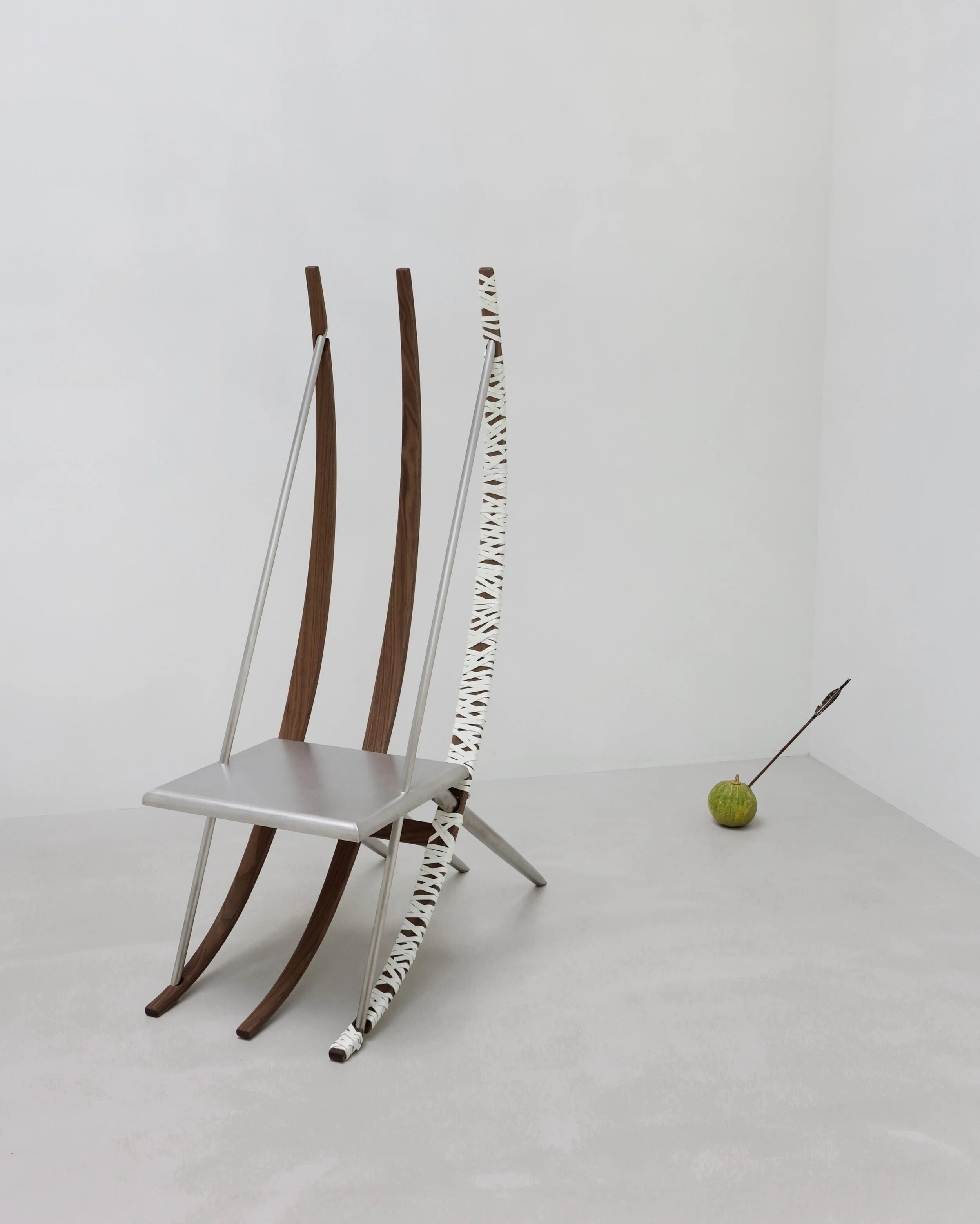
Jaeho Lee is the South Korean furniture designer behind Undress House. He has been releasing designs through his brand since 2023, spanning tables, chairs, hangers, mailboxes, and umbrellas.
“The name [Undress House] reflects a desire to create a space where things can remain open, without being fixed too quickly by definition, function or role. For me, to ‘undress’ something is to loosen the certainty we place on it. ‘House’ refers to an inner, conceptual space where contradictions can coexist without having to be resolved.”
“My work began with an interest in furniture and functional objects. Over time, I came to see function not as an inherent truth within an object, but as a trace of human needs, desires and expectations. Today, I use these objects to question what we take for granted and explore the contradictions in the world around us and within ourselves.”
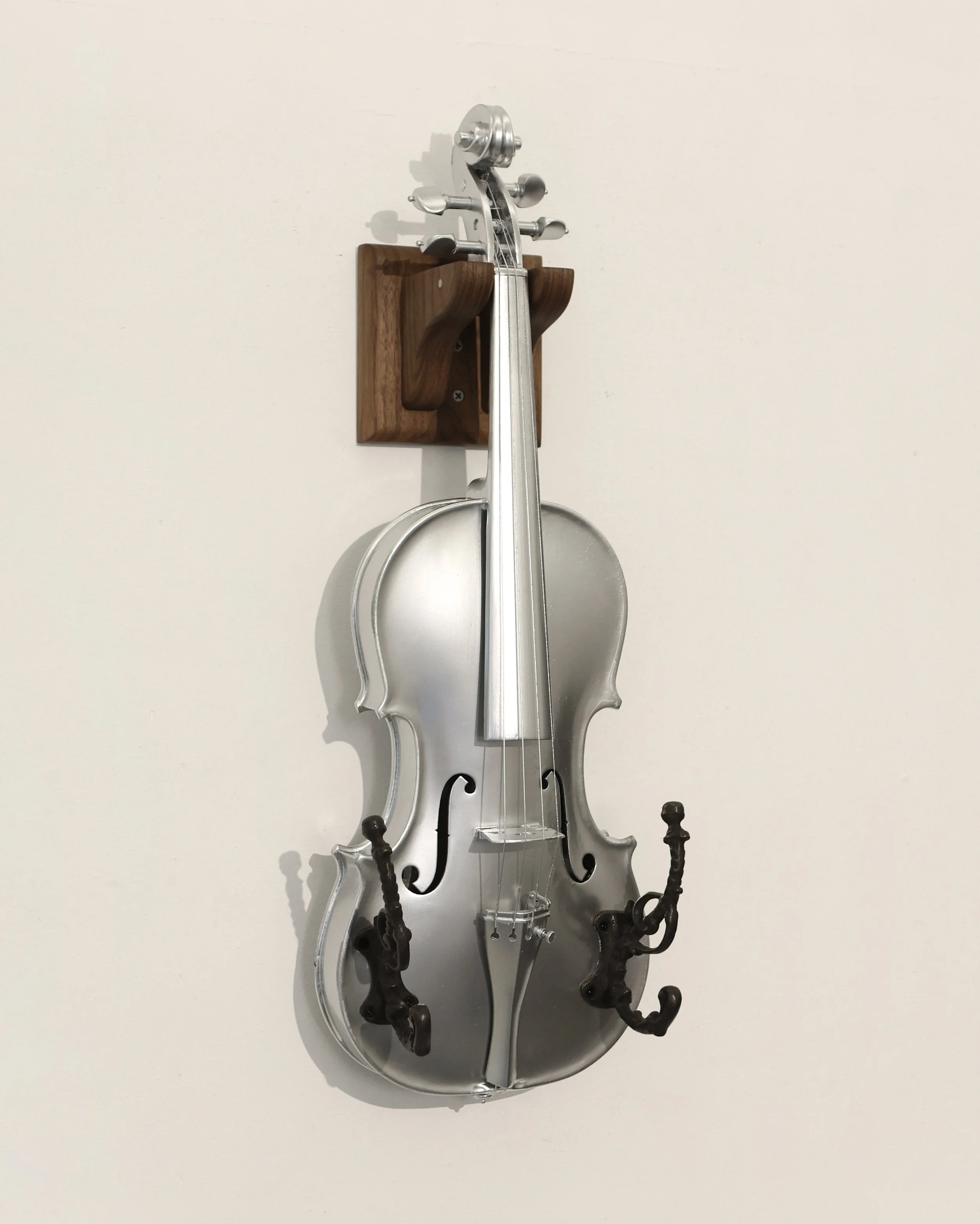
His personal style is “sculptural and surreal, with a sense of irony. The forms are familiar, but the materials, details or associations make them feel strange.” Jaeho talked us through some of his favourite designs, Undressed and To: Inside, both of which he created this year.
“Both explore the relationship between the human body and function, and I think of them together as bodies for bodies.”
“Undressed begins with the familiar act of returning home and hanging up a coat, hat or bag. We often form our impressions of others through the roles they inhabit and the images they present. I see clothes and accessories as social skins carrying those roles and images. Undressed is where we hang up those skins, on a body stripped of its own. In this work, hanging up a social skin becomes a question about identity. The skeletal body represents a state that is neither clothed nor defined. It remains open to another role or image.”
“To: Inside is a mailbox covered in silicone skin, imagined as a body that receives messages. It asks whether sending a message is always something we do for the recipient. The wish to reach someone can also carry a desire to leave a part of ourselves within them. Through this work, I wanted to explore the contradiction within communication and the uneasy boundary between delivering a message and intruding into another person’s inner world.”
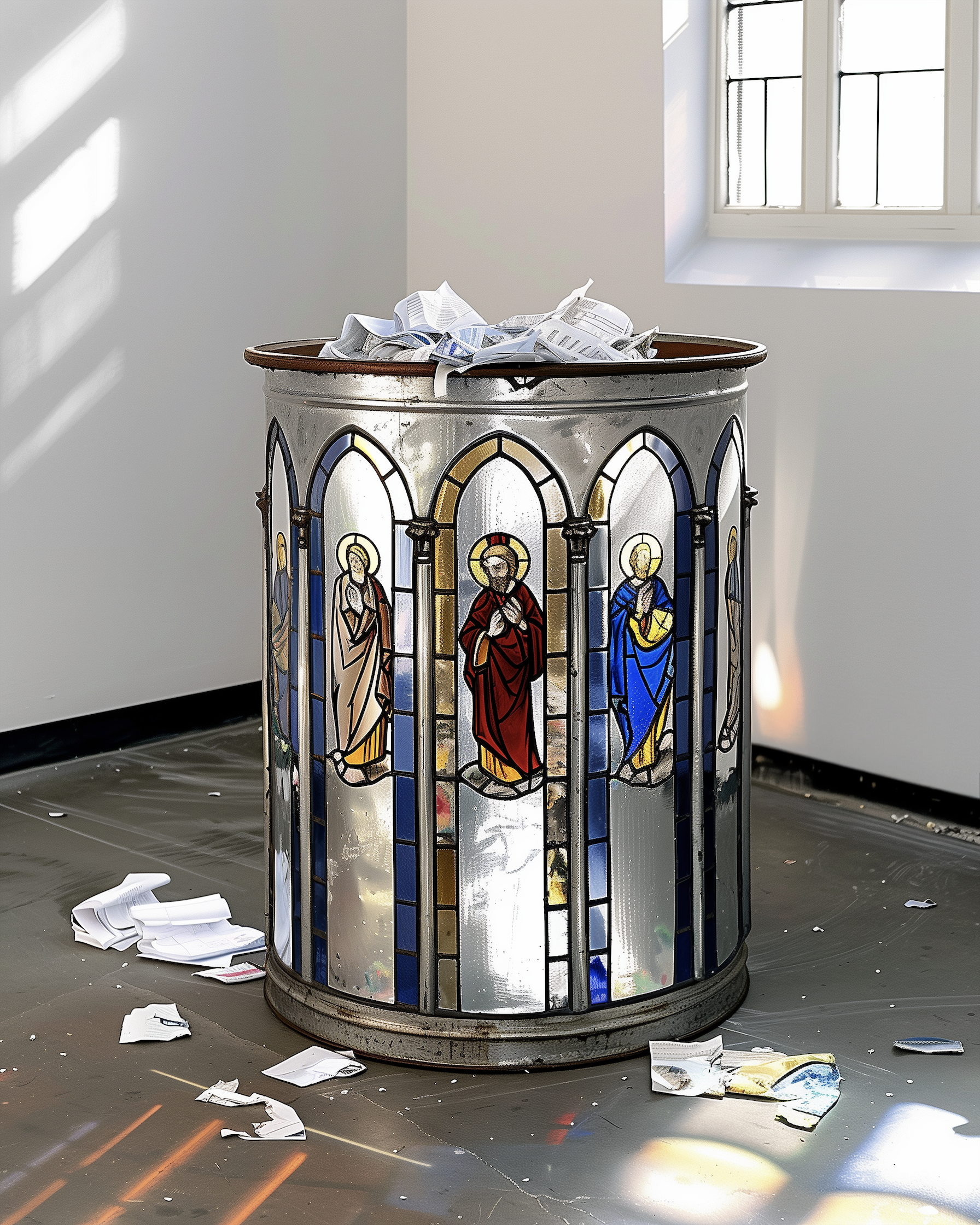
Before these designs, Jaeho also released Chapel Bin and Sanctus Table in 2025 and 2024, respectively. These pieces are inspired by medieval architectural styles and incorporate religious themes through a contemporary lens.
“Chapel Bin began with a question I had as a child. I grew up in a Catholic family and went to church on weekends. At the end of confession, the priest would tell me my sins were forgiven. I remember leaving the confessional and wondering whether simply speaking about my sins could make them disappear, and whether it should be that easy. That led me to connect confession with the function of a bin. Through the work, I wanted to ask whether we are genuinely repenting, or simply treating our sins as something we can discard.”
“I remember feeling overwhelmed by the atmosphere and sacred energy of old, monumental cathedrals. Those experiences affected me more deeply than anything I had encountered in a gallery. Sanctus Table is an attempt to express the emotions, sense of awe and energy I felt in those spaces. Bringing religious symbols into familiar objects is a way for me to look more closely at that power, and at the thoughts and emotions it evokes in us.”
In addition to creating furniture, Jaeho has begun exhibiting his pieces. His first immersive exhibition, When Beauty is in the Wrong Place, was shown at the Alcove Miami during Miami Art Basel in 2025.
“At the exhibition, I could watch visitors from different countries encounter the works in person and find their own ways of experiencing them. Visitors, including children, lay on the floor beneath Fur Low Table. They touched both the stainless steel and the fur, feeling the contrast in temperature and texture between the two materials. I found it fascinating that these functional objects could offer so many different kinds of experience.”
“I want to keep expanding the idea of a functional object. As my own view of the world changes, I want to stay aware of those shifts and let them shape what I make. I’m interested in how an encounter with a work can go beyond a strong visual impression and have a deeper effect on how someone thinks and feels.”