Yiming Yang
F R A G M E N T S
31.08.26
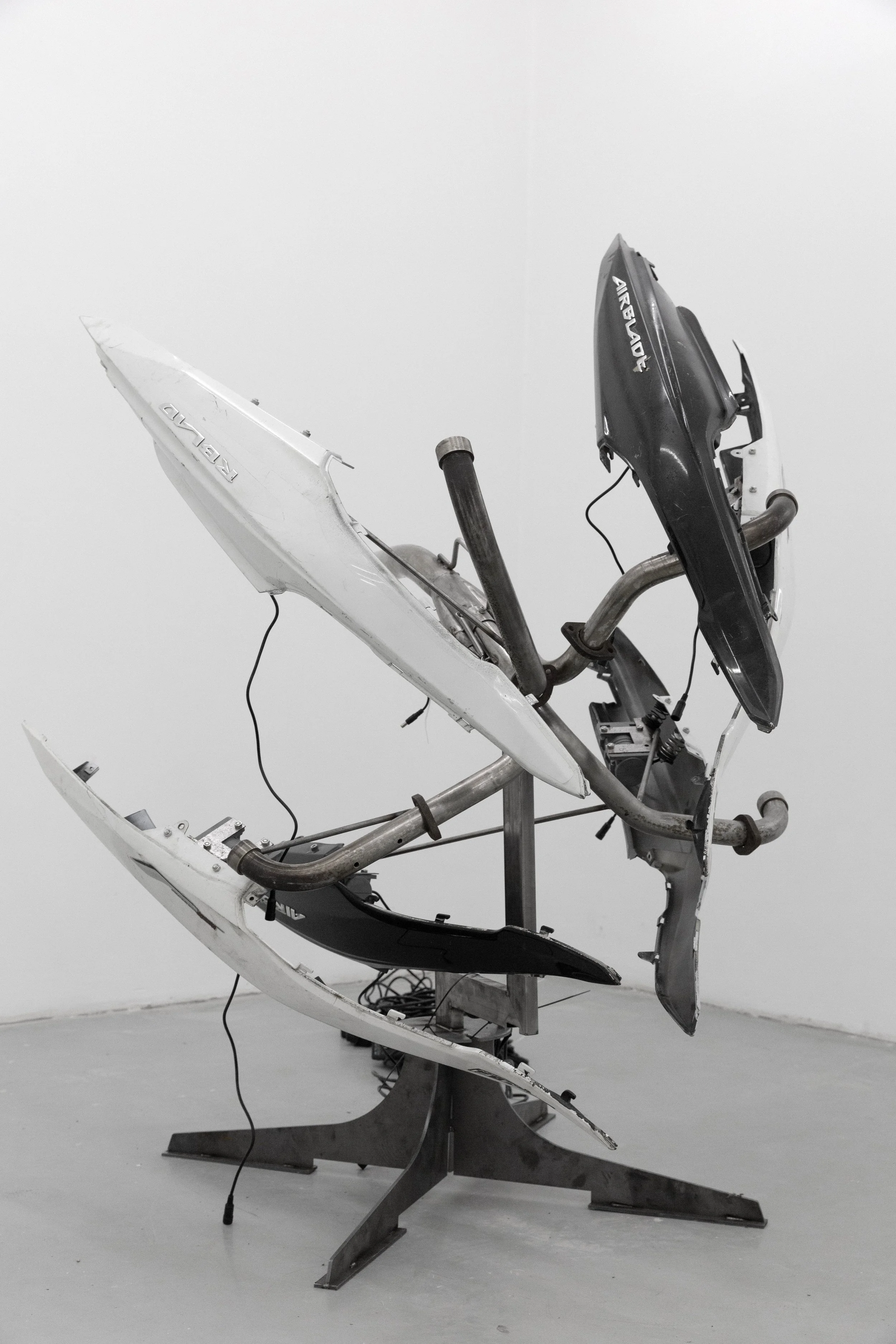
Yiming Yang is an installation and new media artist based in Shanghai who studied Information Experience Design at the Royal College of Art. Her recent solo exhibition at Muffatwerk in Munich explored vibration, energy and bodily experience inside a former power station. Through her practice, mechanical elements are removed from their original contexts and placed into new relationships with bodies and environments. According to Yiming, a simple movement or failure can be enough for us to begin projecting life onto something that was never alive.
For our readers encountering your work for the first time, please take us through your background.
I am an installation and new media artist based in Shanghai. I studied Information Experience Design at the Royal College of Art in London, and my practice brings together organisms, everyday objects, and machines.
I often take mechanical elements out of their original contexts and place them into new relationships with bodies, objects, and environments. Through simple kinetic systems, I am interested in how artificial and organic forms can shape our perception and sensory experience. My practice has developed through exhibitions and residencies in China, Europe, and the US.
YY
You are based in Shanghai, have studied at the Royal College of Arts in London, and have exhibited work across Europe. How has studying and working around the globe influenced your practice?
Being in different places gives me different perspectives, and these perspectives help me understand more clearly what I am doing.
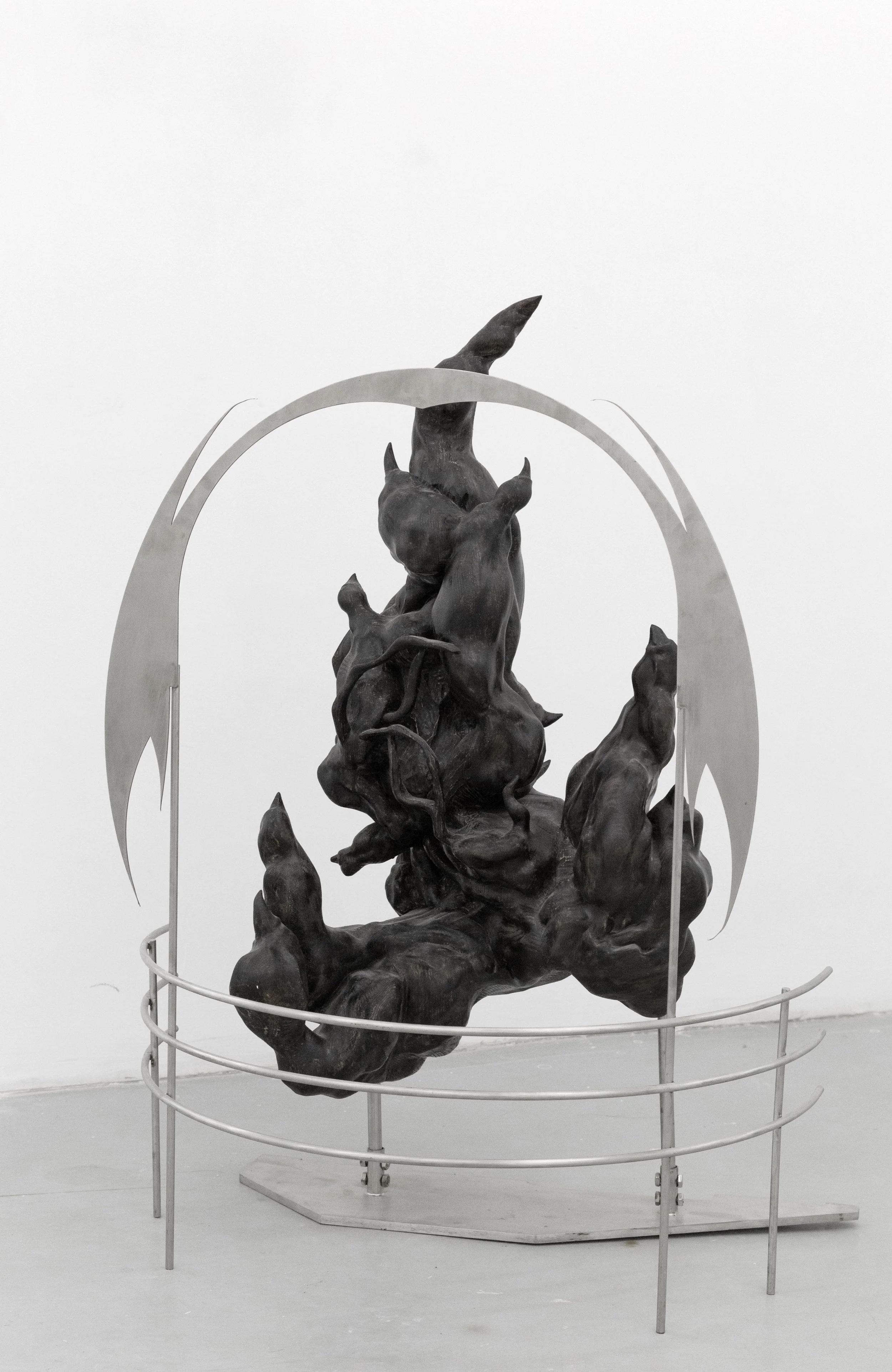
When I spend time in another place, I start to notice things that I would normally take for granted, from how people use objects and organise spaces to different routines and ways of living. At the same time, being away from a familiar context makes me more conscious of my own habits and assumptions. For me, this distance is valuable because it gives me another way of looking at both my surroundings and my own practice.
YY
It seems like your work often removes mechanical objects from their original function. What draws you to this process?
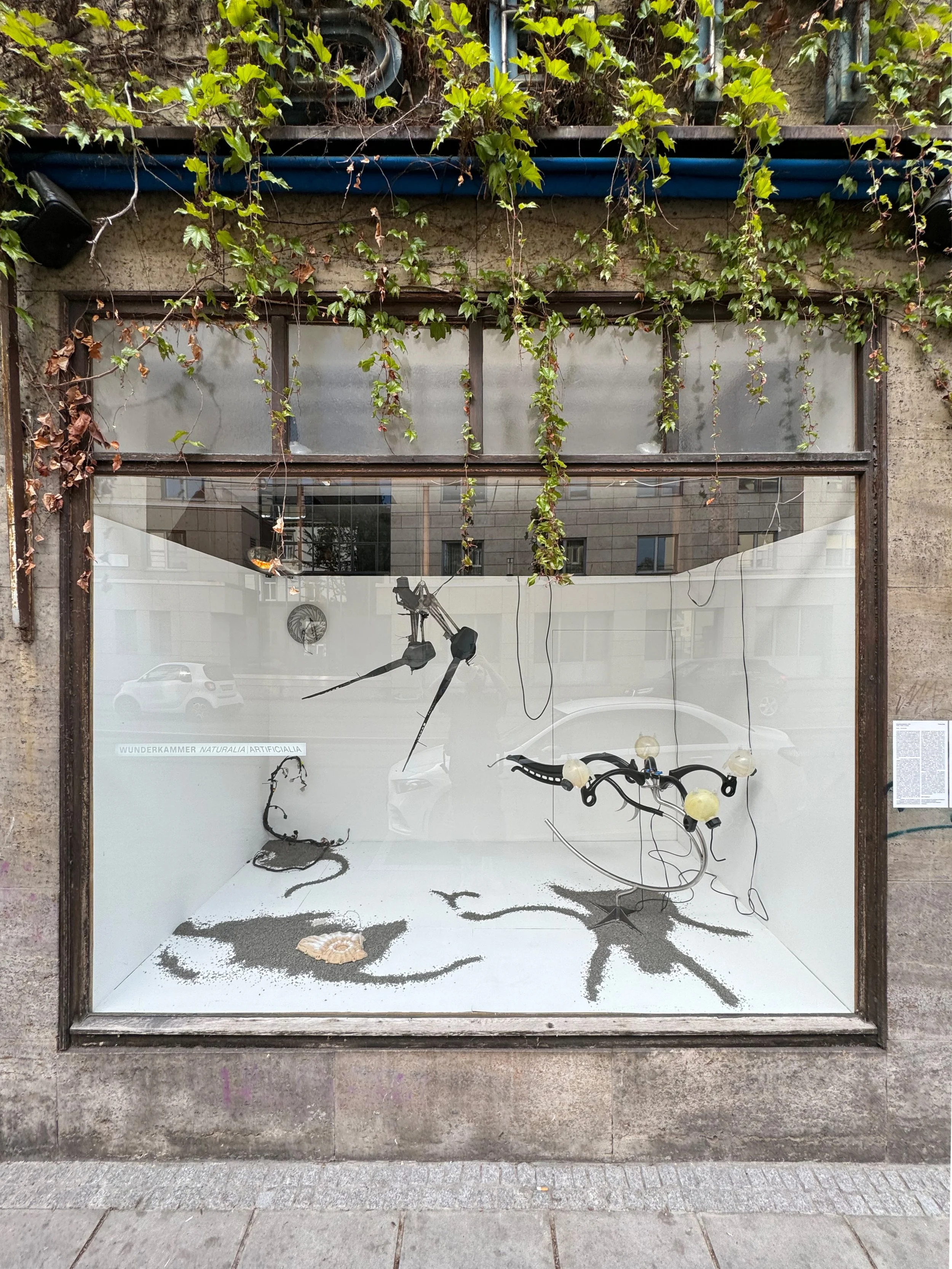
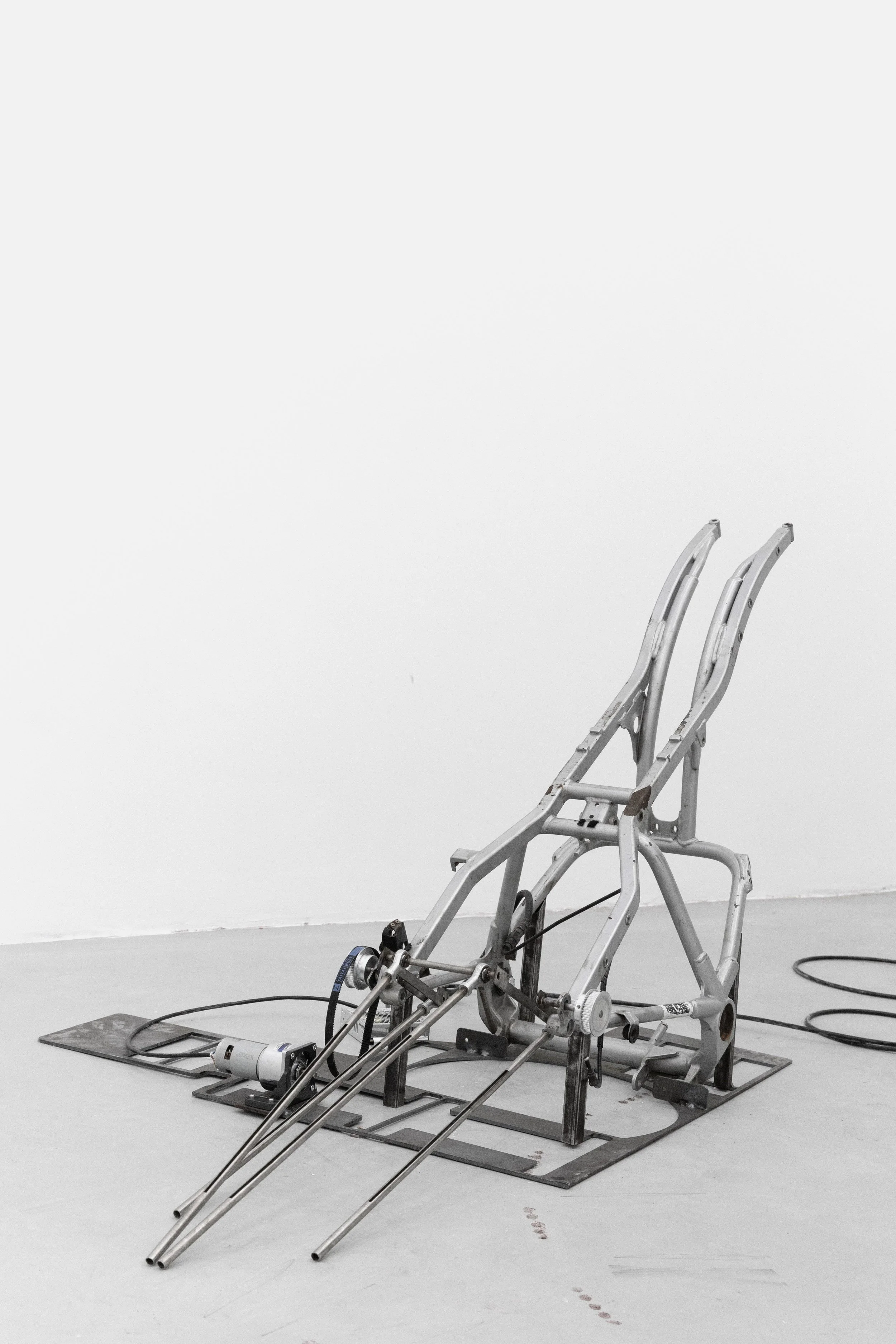
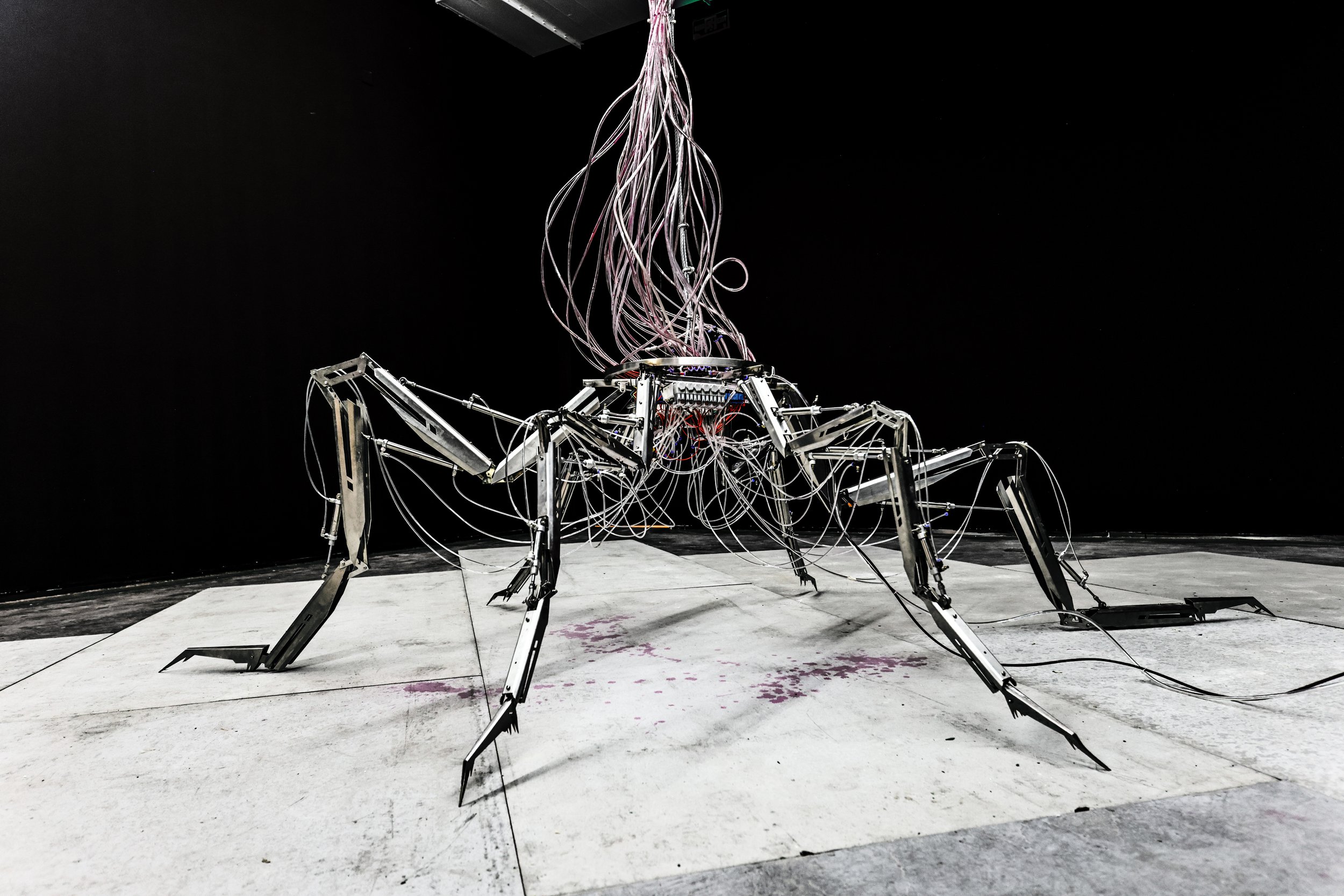
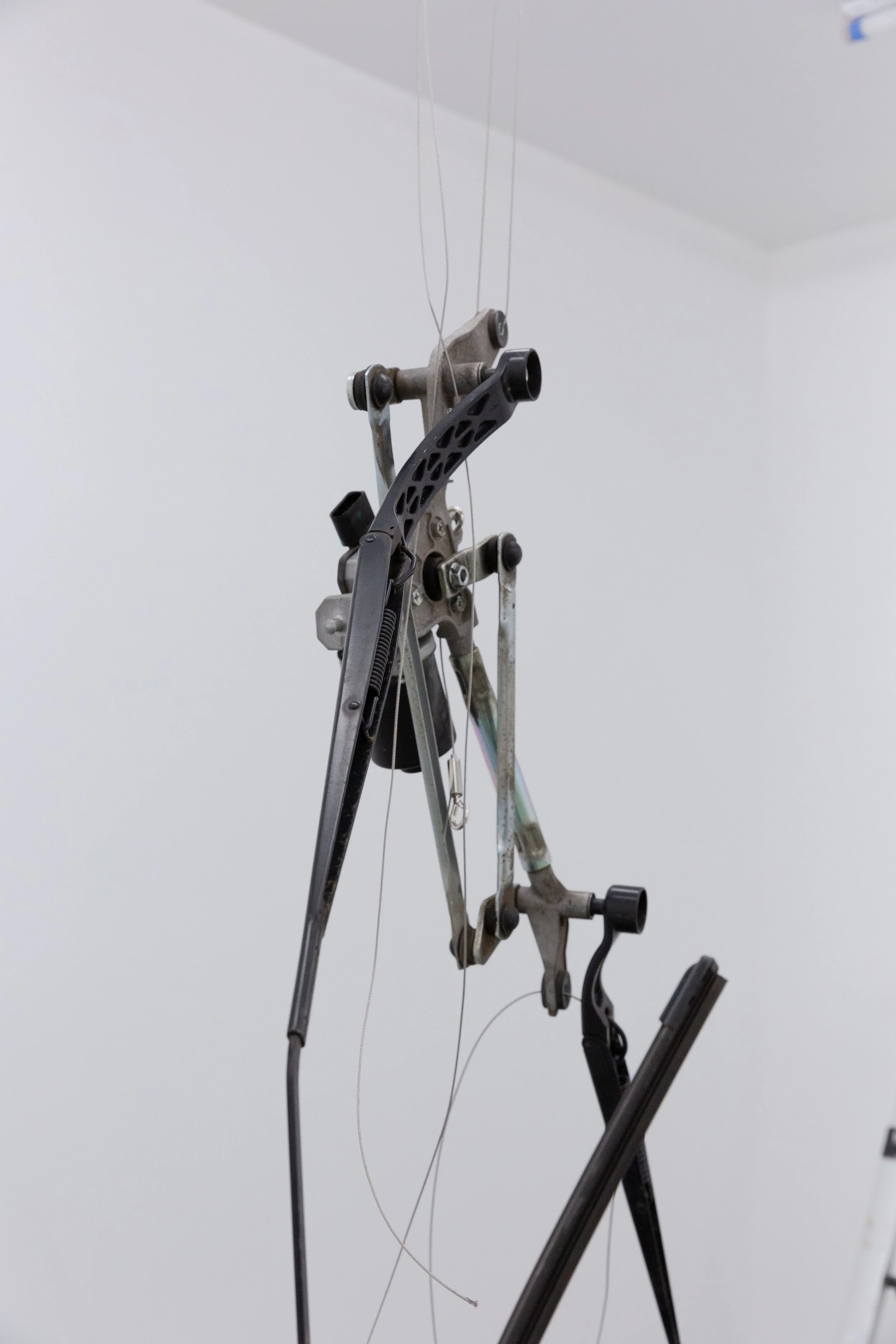
I am interested in what happens when a familiar mechanical object is removed from its original function. A simple movement, repetition, reaction, or even a failure can be enough for us to start projecting intention or emotion onto it. In Deceptive Behavior, for example, automotive and mechanical components begin to resemble insects or unfamiliar organisms. This uncertainty reveals something about our own perception. Rather than trying to make a machine that imitates life, I want to understand why we begin to perceive it as living in the first place.
YY
Can you tell us more about your solo show at the Muffatwerk, Munich?
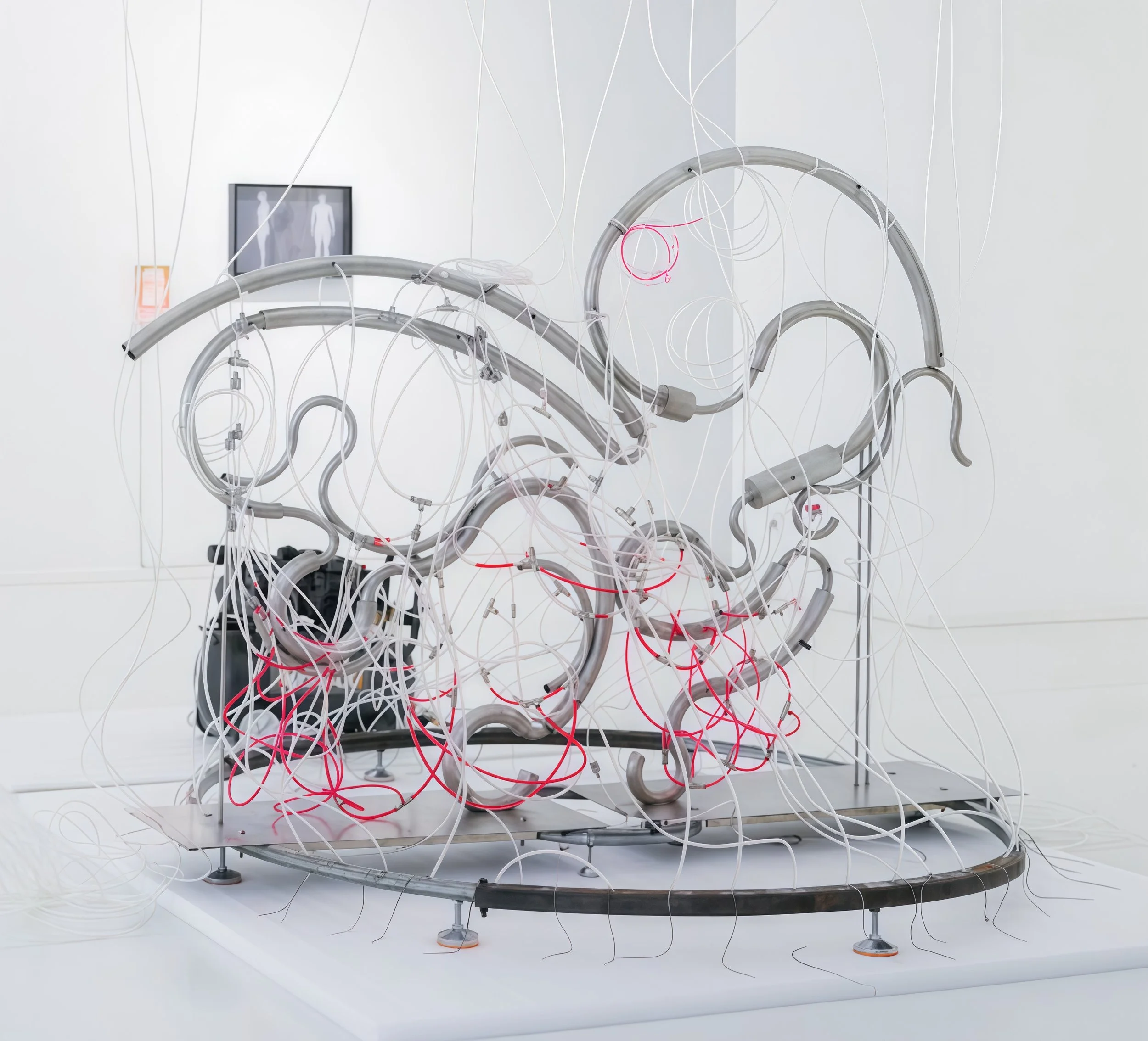
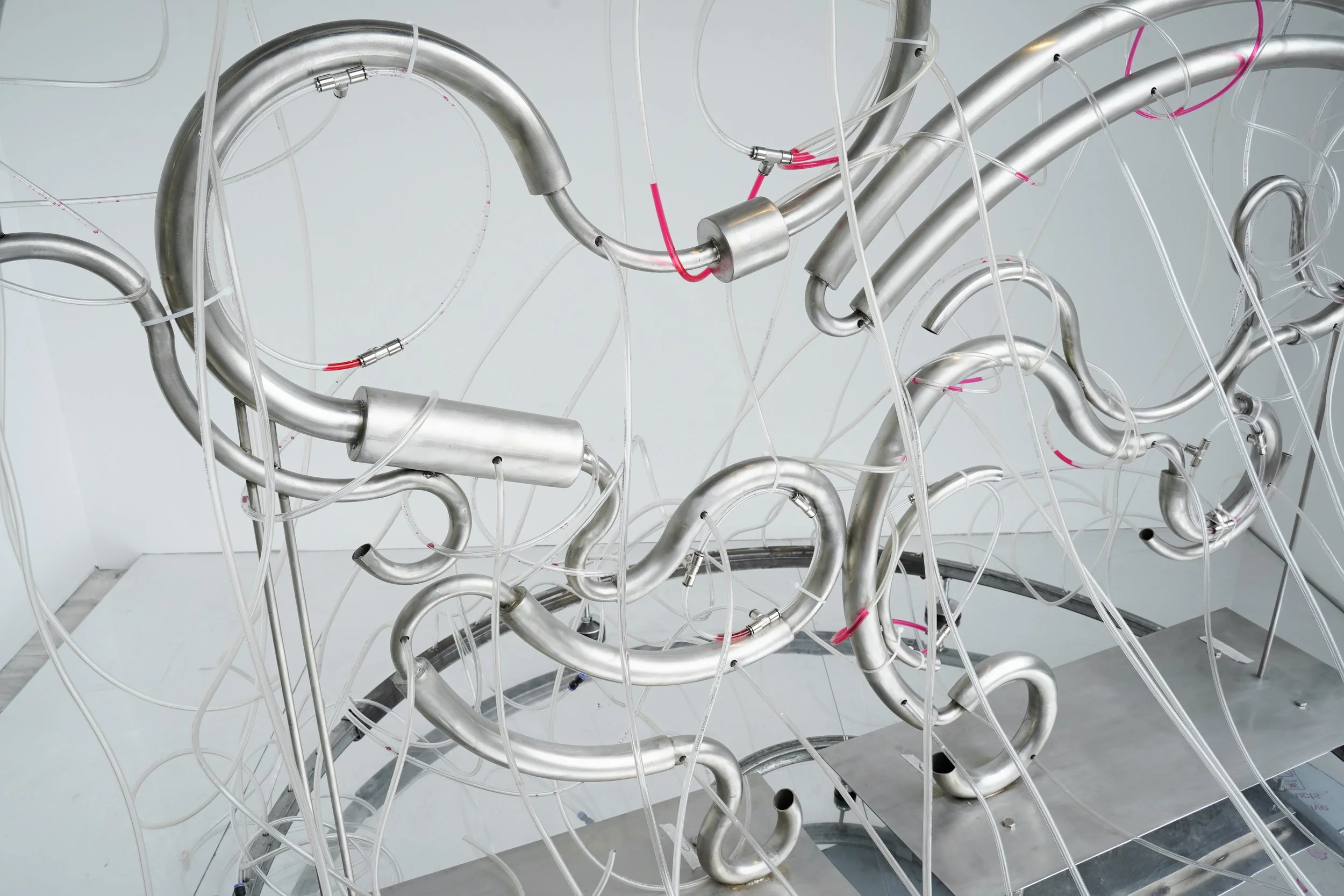
It was a very particular residency experience for me. When I first entered Muffatwerk, I was immediately drawn to its history as a former power station and the industrial structures that still shape the space. I was interested in how water was once transformed through machinery into energy for the city, and this idea of translation gradually became the starting point for Translated Structures.
Today, Muffatwerk is a space for music and club culture, so I also became interested in sound and vibration. My project focused less on sound as language and more on vibration as something you can physically feel through the body. For me, this created a natural connection between the building’s past and present, and between machinery, energy, and bodily experience.
YY
Where do you draw inspiration from?
It can come from anything in everyday life. An insect entering my room, an unfamiliar object, a strange mechanical movement, or something ordinary that suddenly feels different can become a starting point.
I rarely begin with a fixed subject. Usually I notice something first and let it stay with me for a while. Connections appear gradually, and sometimes they develop into a work. I think the process is quite intuitive and closely related to whatever is happening in my life at that moment.
YY
What piece/s of yours are you most proud of?
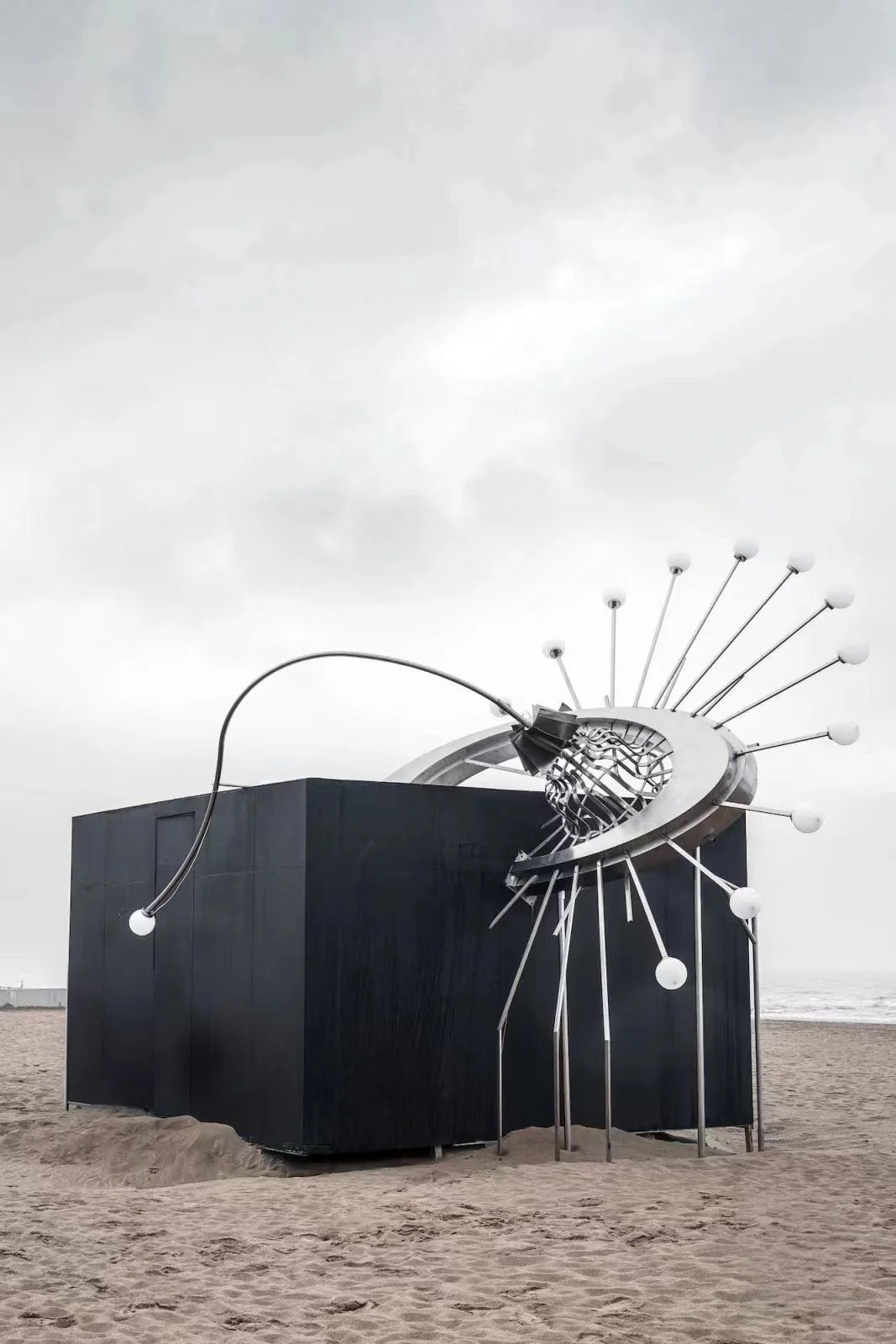
Probably Splice. When I made it, I was very ambitious about what I thought a single artwork could contain. I was thinking about cyborgs, evolution, sensory experience, technology, and the body, and I tried to bring all of these ideas into one installation.
My way of working has changed a lot since then. I would not try to put so many ideas into one work now, but I can still see many of the questions I continue to think about today already present in Splice. For that reason, it remains an important work for me.
YY
What’s next for Yiming Yang?
I have several exhibitions coming up, including one in Paris next January, and I am currently preparing new work.
I am also continuing with some of the ceramic works I started during my residency at EKWC. Ceramics was a new material for me, and working with it made me think more about the role of failure in my practice. During firing, forms can collapse, glazes can behave unexpectedly, and the material can move away from what I originally intended. I do not necessarily see these moments as mistakes that need to be corrected. They can introduce something that I could not have designed myself.
This has always existed in my mechanical works as well, but ceramics made me more conscious of it. I am interested in what happens when I give up part of the control and allow the behaviour of the material or the system to become part of the work.
YY