
Sofia Garrido
F R A G M E N T S
26.10.26
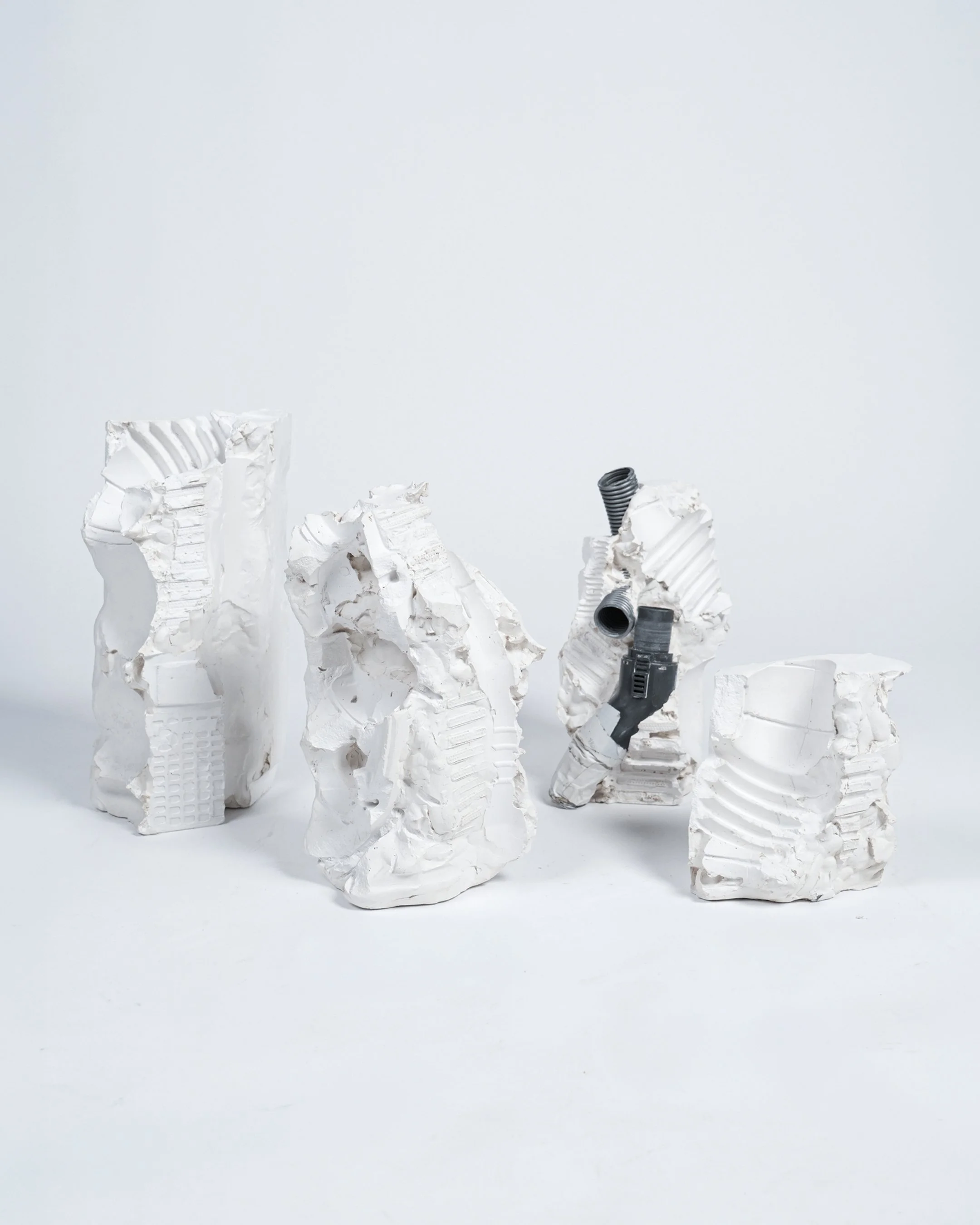
Chilean artist Sofia Garrido explores how human technology and trauma archive themselves in our natural world. Her work asks: where do years of forgotten, discarded media find itself? And what will the soil beneath our feet remember of us once we are gone?
For our readers encountering your work for the first time, please take us through your background.
I was born in Chile, a country geographically disconnected from the rest of the world, and I grew up closer to the mountains than to the city. My interests have since led me to live in many places: I studied photography in Buenos Aires, then moved to Paris to study Visual Arts, later returned to Chile to study Integral Design, and then went to Barcelona to try my luck as an independent graphic designer. I’m currently based in the Netherlands, where I’m completing an MA in Geo-Design at Design Academy Eindhoven.
I have spent most of my time working as an independent graphic designer, but I have always been drawn to research and to intertwining the worlds of graphic design, art and installation, while looking for interdisciplinary insight and developing collaborative projects.
SG
Where do you draw inspiration from?
Lately, my inspiration comes from reading, researching, doing field research and having conversations with colleagues.
I was recently in northern Chile visiting the lithium extraction plants in the Salar de Atacama for my master’s thesis. It was an extraordinary trip, and I was lucky enough to travel with two colleagues and visit sites that are usually very difficult to access. Being able to share this experience with them was, I think, one of the most inspiring parts of the research.
I have also been inspired by disciplines completely different from design, such as geology and psychology, both of which my parents practice.
SG
You recently released a short film, Tectonics of the Mind. Can you tell us more about this film and the process of creating it?
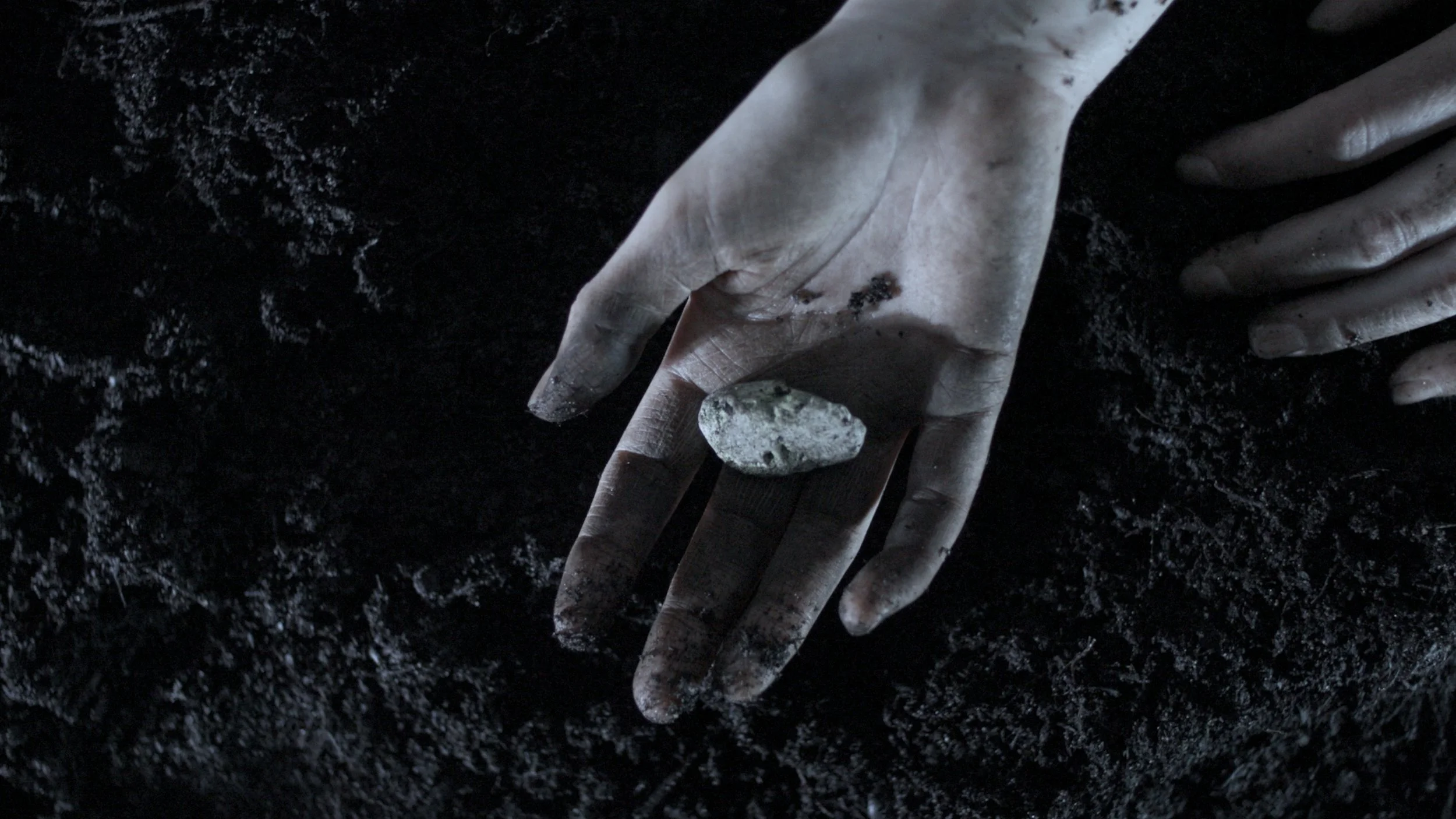
Tectonics of the Mind draws a parallel between transgenerational trauma and geological trauma, between the tectonics of the mind and the tectonics of the Earth.
Moving between a geological voice and a personal one, the film traces buried family secrets across generations, asking how inherited trauma settles into the body like sediment. As the Earth archives the marks humans leave upon it (electronic culture knotted into nature, a trace left in a synthetic geological future), the film asks what we, in turn, leave buried for those who come after us.
The process was an attempt to heal, and to interweave my family history with the geology of media. This was one of my first experiences working with video, so I made it from a place of naivety.
SG
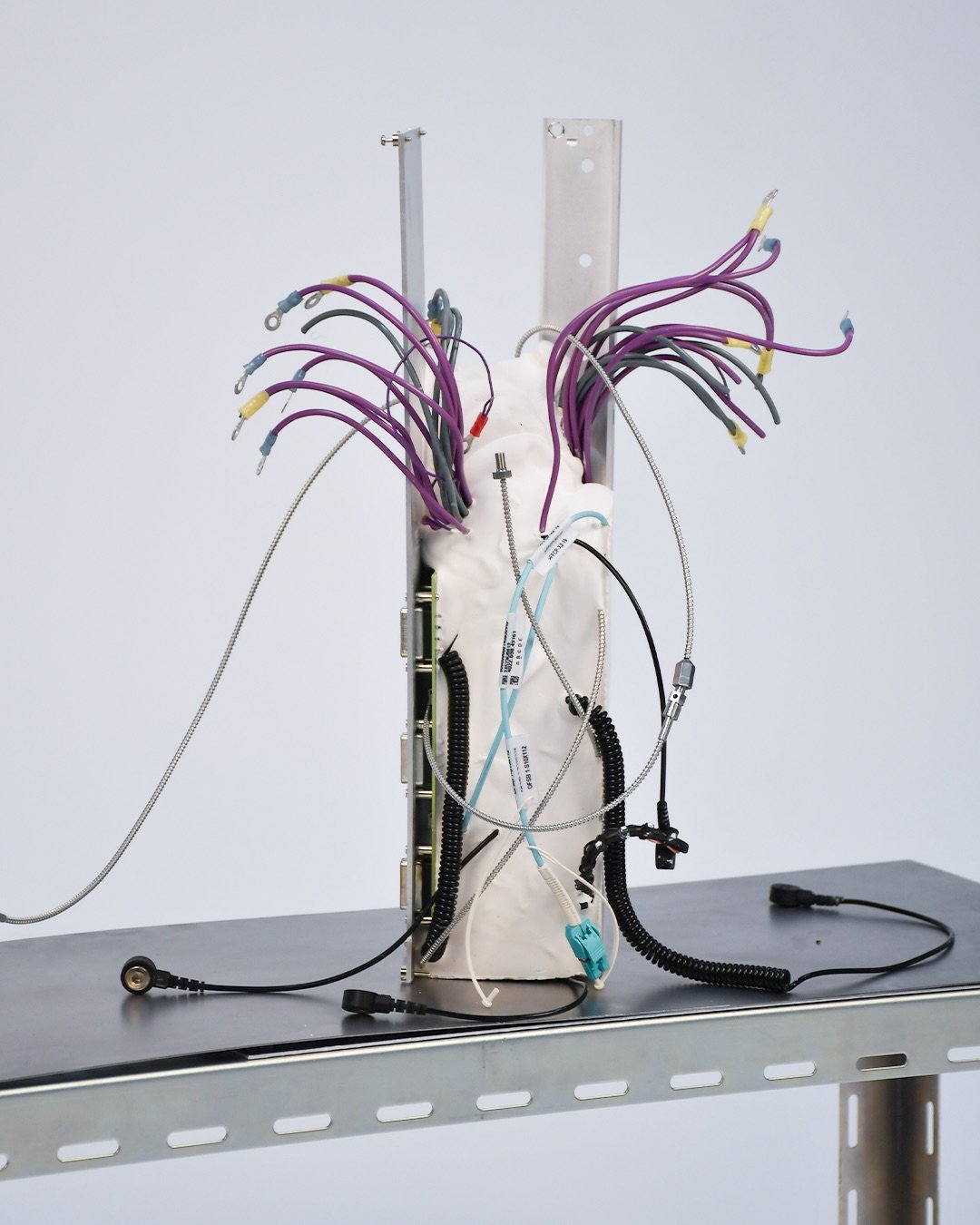
Talk us through your series of sculptures, Techno Fossils V1-3.
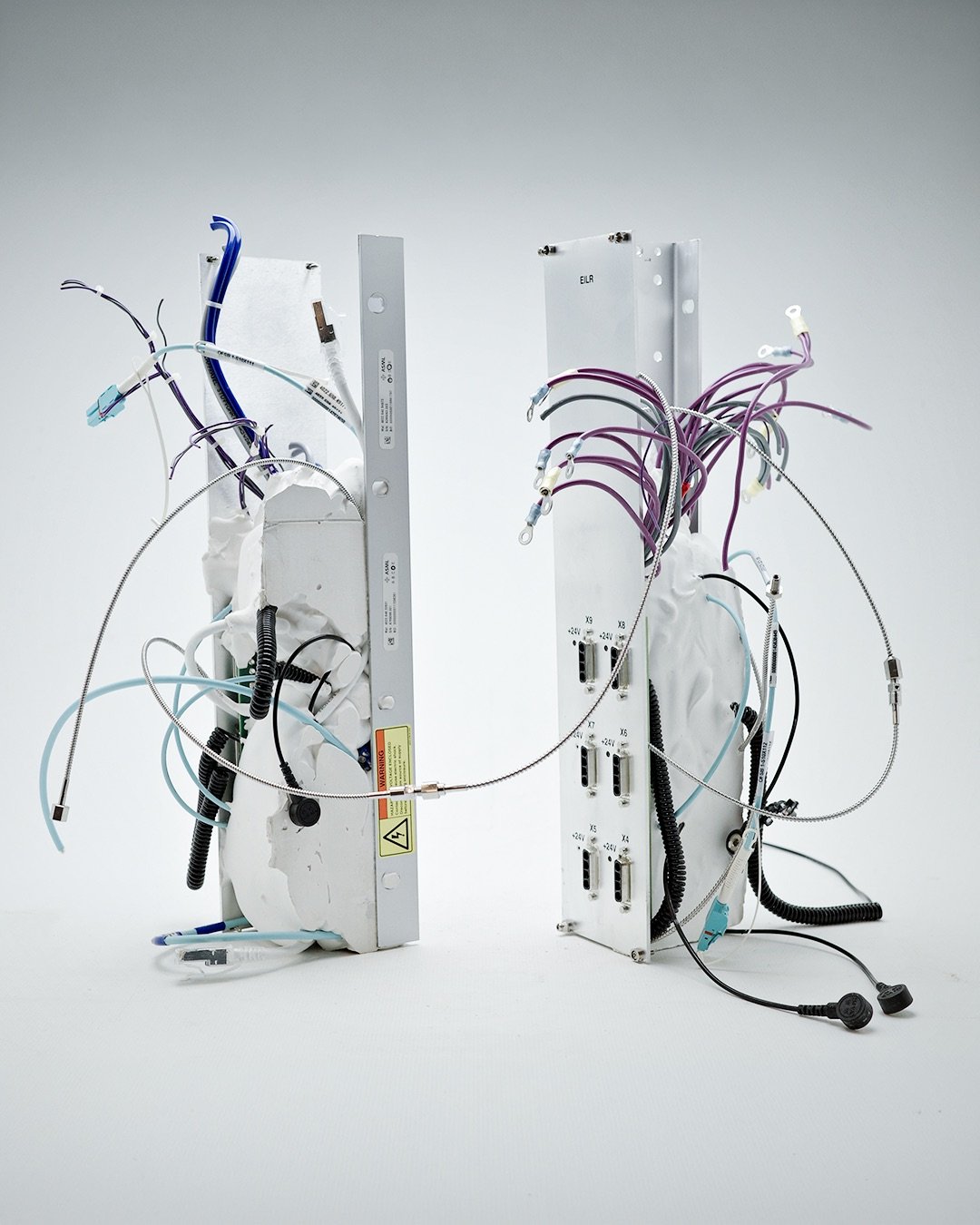
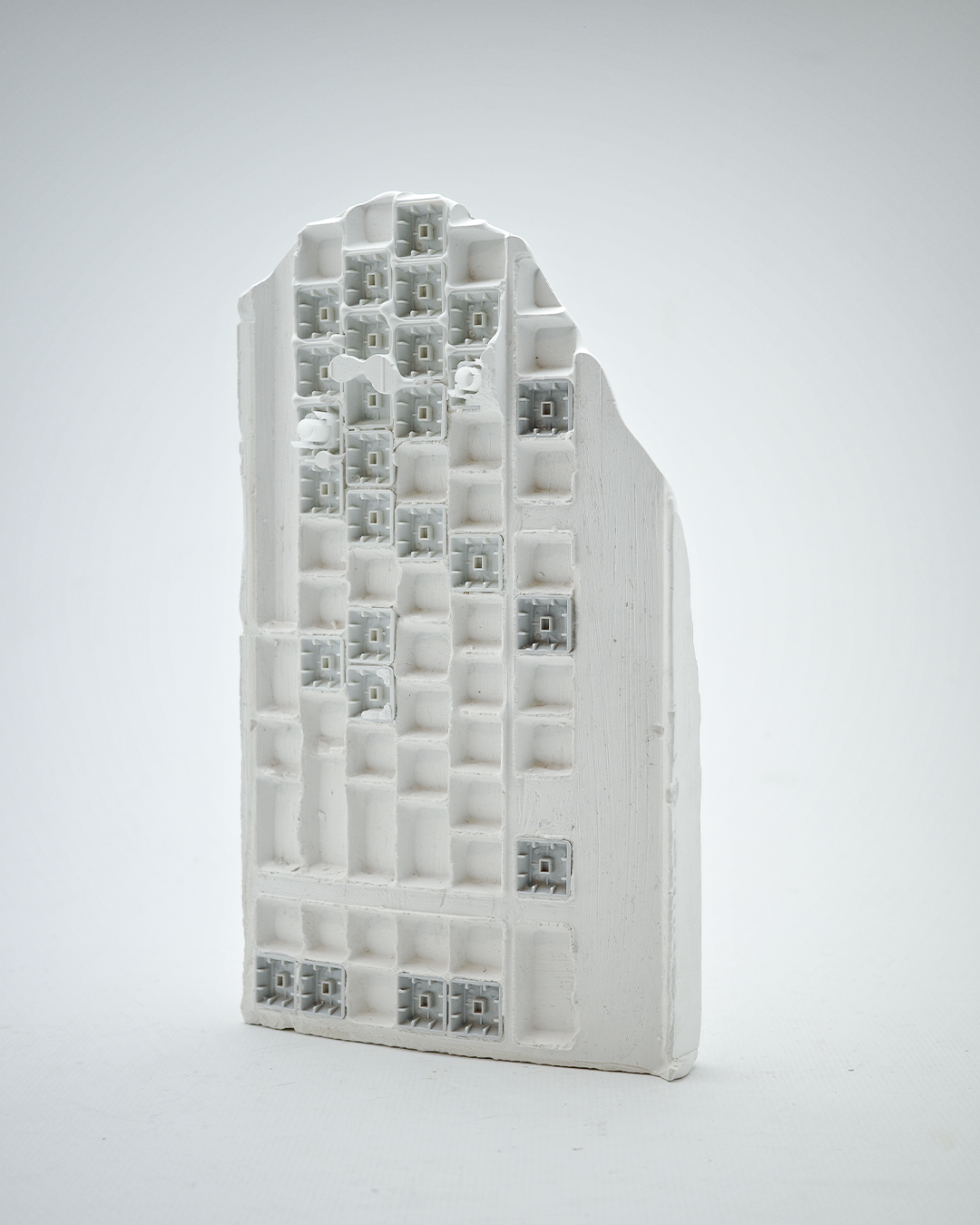
The series takes as its starting point Jussi Parikka’s book A Geology of Media, which points out that digitality and technology are deeply connected to soil and nature. Just as nature supports technology through the extraction of minerals, technology eventually returns to nature as e-waste and future techno-fossils. Parikka calls this ‘zombie media’: media never really dies, but survives as toxic residue and as a fossil layer of discarded devices.
I wanted to reflect on the future memory that will endure beyond humans. The work imagines a world without us, where zombie media become part of the Earth’s crust. For me, a techno-fossil is a dying body that condenses into the earth, a reminder of electronic culture and its entanglement with nature, and a possible object of future media-archaeological excavations.
I developed two types: imprints on solid surfaces, and hybrid objects where cables sprout from plaster, like plants growing in inhospitable places.
SG
What’s next for Sofia Garrido?